



When deciding between tankless vs tank water heaters, it’s important to understand how each system impacts your home’s comfort, energy use, and long-term costs. This guide explains the key differences between tankless and traditional water heaters, covering real-world pros and cons for cost, hot water supply, and lifespan. By comparing these three factors, you’ll be able to choose the water heater that best fits your household’s needs and budget.
Tankless vs Tank Water Heaters: What You Need to Know
When it’s time to replace your water heater, one of the biggest decisions you’ll face is choosing between tankless vs tank water heaters. Both types provide hot water, but they operate differently and come with unique benefits and drawbacks.
A tank water heater stores and preheats a set amount of water (usually 40–50 gallons), ensuring it’s always available but with a limited supply. A tankless water heater, on the other hand, heats water only when needed, offering an endless supply but at a higher upfront cost.
So, which one is right for your home? In this guide, we’ll break down the 3 biggest considerations for your home.
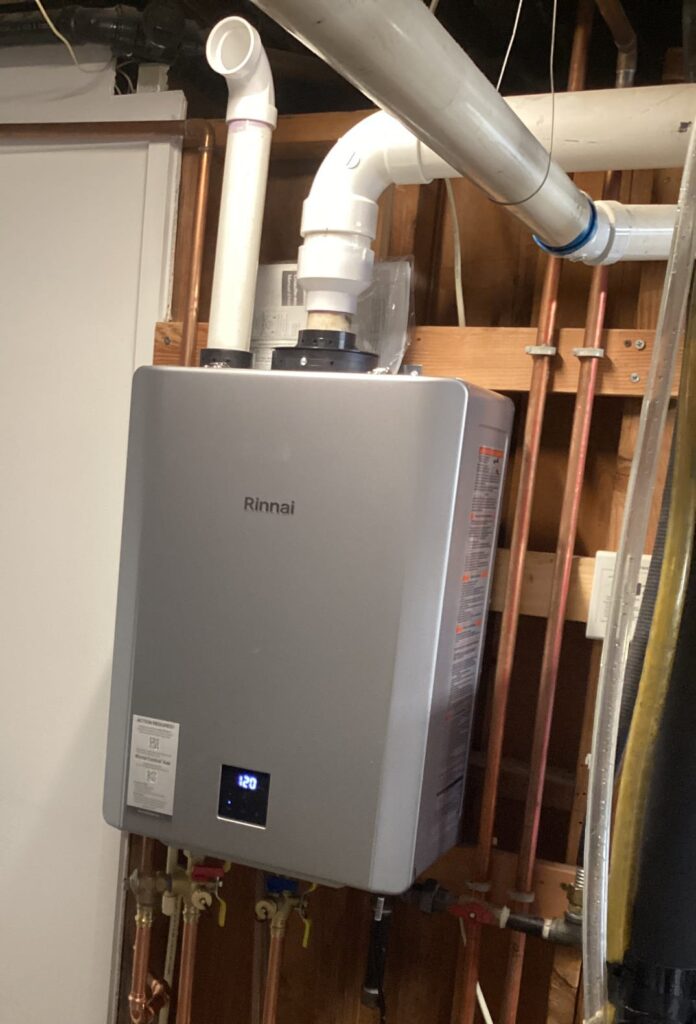
How Do Tankless vs Tank Water Heaters Work?
Tank Water Heater:
A tank water heater continuously heats and stores a specific amount of water in a tank. The water is always hot and ready to use, but once the tank runs out, you’ll have to wait for it to refill and reheat. These systems operate using gas or electricity and require sufficient space in a utility room, basement, or garage.
Tankless Water Heater:
A tankless water heater heats water on demand. Instead of storing hot water, it rapidly heats water as it flows through the unit, ensuring a constant supply without running out. Since there’s no standby heating, these systems are more energy-efficient than their tank counterparts.
Since a tankless water heater heats water as you use it, it’s important to have the right size and model tankless installed. To be sure you have a tankless that will keep up with your demands, be sure to have a certified plumber who has knowledge and experience specifically with tankless water heaters. We often come behind handymen or even plumbers without tankless training to resolve tankless issues.
In short, when comparing tankless vs tank water heaters, you can think of the tank as a one and done operation, where a tank of water is heated, drained and then reheated (and kept hot), while the tankless heats as you use.
🔗 Want to learn more about how a tankless system works? Check out our detailed guide here.
Hot Water Considerations
Tankless vs Tank Water Heaters: 3 Factors Every Homeowner Should Compare
When comparing tankless vs tank water heaters, it’s important to focus on three main factors: cost, hot water supply, and lifespan. Each system has strengths that make it the right fit for certain homes—and weaknesses that could make it less practical for others.
Before deciding, consider the investment you’d like to make upfront, how your household uses hot water, and how long you plan to stay in your home. Do you have family members who take back-to-back showers? Love long baths or garden tubs? Or are you more focused on long-term savings and maintenance costs?
Below, we’ll break down tankless vs tank water heaters across the three most important factors so you can make the right choice for your home.
Factor 1: Cost of Tankless vs Tank Water Heaters
Pros and Cons of Tank Water Heaters
Pros:
- Lower upfront cost – tank water heaters are the more affordable option at installation.
- Simpler replacement – usually fits existing plumbing and power sources.
- Budget-friendly choice for homeowners replacing an older tank system.
For homes that already have a traditional water heater, replacing it with another tank model is straightforward and cost-effective. The process typically takes just a few hours, and most homes already have the space, gas line, or electrical connection ready to go.
Cons:
- Higher energy costs over time – because the water stays heated around the clock.
- Shorter lifespan – typically 8–12 years before efficiency and reliability decline.
- Risk of flooding – older tanks can leak or rupture as they age.
Although a tank-style water heater is easier on the wallet at first, it can cost more to operate. Because it constantly maintains a full tank of hot water, it uses energy even when you’re not running any fixtures. That “standby heat loss” adds up over the years.
Pros and Cons of Tankless Water Heaters
Pros:
- Lower long-term energy costs – only heats water as it’s used.
- May qualify for rebates or tax credits – thanks to high efficiency ratings.
- Longer lifespan – can last 20 years or more with proper maintenance.
While tankless systems are more expensive to install, they save money over time. Homeowners with tankless water heaters often see reduced utility bills, especially in households that use moderate amounts of hot water throughout the day.
Cons:
- Higher upfront cost – the unit and installation can be two to three times more expensive than a tank replacement.
- May require upgrades – older homes sometimes need a new vent system, gas line, or electrical capacity.
A tankless model is a bigger initial investment, but it’s one that pays off over time through lower monthly costs and longer service life.
Winner of Factor 1: Cost
For initial cost, the tank water heater wins. It’s more affordable to purchase and install.
However, for long-term value, the tankless water heater comes out ahead thanks to lower energy use and longer lifespan. This factor of the tanklss vs tank water heater debate is a close one. Some tankless installations aren’t too much more than tank water heaters, while other times they can have a higher up front cost.
Factor 2: Hot Water Supply of Tankless vs Tank Water Heaters
Pros and Cons of Tank Water Heaters
Pros:
- Consistent water temperature – as long as the tank isn’t empty.
- Works well for smaller families or low-demand households.
Tank water heaters provide a steady flow of hot water until the tank runs out. For families who use hot water at predictable times—say, a morning shower routine—this system can be perfectly adequate.
Cons:
- Limited hot water supply – when the tank empties, you have to wait for it to refill and reheat.
- Inconsistent temperatures during heavy use.
If multiple showers or laundry cycles happen back-to-back, a tank water heater can struggle to keep up. Once the stored hot water is used, it can take 30 minutes or more for the heater to recover.
Pros and Cons of Tankless Water Heaters
Pros:
- Endless hot water – heats instantly as it flows through the system.
- Ideal for large families or homes that use hot water throughout the day.
- Compact design – can be installed on a wall, freeing up floor space.
Tankless systems shine in households with frequent or unpredictable hot water use. Because they heat water on demand, you can run the dishwasher, do laundry, and still have hot water for showers without running out.
Cons:
- Limited flow rate – one unit may not handle multiple fixtures simultaneously.
- Larger homes may require two systems or a recirculation pump for perfect coverage.
While tankless units technically offer unlimited hot water, they can be restricted by flow rate. If two or three showers and an appliance are running at once, the water pressure or temperature may drop slightly.
Winner of Factor 2: Hot Water Supply
For small households, a tank water heater can be perfectly sufficient.
But for consistent, endless hot water, the tankless water heater is the clear winner. It’s ideal for large families or homes that use hot water throughout the day without waiting for recovery time. We’re giving this factor of tankless vs tank water heaters to the tankless units.
Factor 3: Lifespan and Maintenance of Tankless vs Tank Water Heaters
Pros and Cons of Tank Water Heaters
Pros:
- Familiar, easy-to-service system – most plumbers can quickly repair or replace parts.
- Simple routine maintenance – draining sediment once a year extends life.
Cons:
- Shorter lifespan – most tank models last 8 to 12 years.
- Sediment buildup reduces performance over time.
- Increased leak risk with age – older tanks can corrode and fail suddenly.
As tank water heaters age, sediment collects at the bottom of the tank, reducing efficiency and capacity. The system has to work harder to heat water, leading to higher energy bills and shorter service life. Once corrosion sets in, replacement is usually the only option.
Pros and Cons of Tankless Water Heaters
Pros:
- Long lifespan – many last 20 years or more with proper maintenance.
- Lower risk of leaks – no large tank of stored water.
- Less maintenance overall – periodic flushing and filter cleaning are all that’s required.
Cons:
- May require descaling in areas with hard water.
- Slightly more complex system that needs professional servicing every few years.
Tankless water heaters are built for longevity. Because they don’t hold standing water, they avoid corrosion and mineral buildup that can damage tank systems. With proper care—flushing annually and cleaning filters—they can easily last twice as long as a traditional tank.
Winner of Factor 3: Lifespan and Maintenance
The tankless water heater wins this round of the tankless vs tank water heaters debate by a wide margin. With fewer corrosion issues and a lifespan of up to 20 years or more, it provides long-term reliability and peace of mind.
Final Verdict: Tankless vs Tank Water Heaters – Which Is Best for You?
When comparing tankless vs tank water heaters, the right choice depends on your home’s needs, budget, and priorities:
- If you want a lower upfront cost and have modest hot water needs, a tank water heater is a practical solution.
- If you want endless hot water, lower long-term costs, and longer system life, a tankless water heater is worth the investment.
Both types have their place in modern homes, but for most homeowners planning to stay in their home for years to come, a tankless system offers better efficiency, convenience, and long-term value.ruggle to keep up.
Key Factors to Consider When Choosing between Tankless vs Tank Water Heaters
- Hot Water Demand: Large families benefit from a tankless water heater because it provides endless hot water. A tank water heater may run out of hot water during back-to-back showers or high-usage periods.
- Budget: A tank water heater is more affordable upfront, while a tankless water heater saves money long-term on energy bills.
- Available Space: Tankless water heaters are wall-mounted and ideal for small homes. Tank water heaters require more space.
- Energy Efficiency: A tankless water heater eliminates standby heat loss, reducing utility costs.
- Lifespan & Maintenance: A tank water heater lasts 10–15 years, while a tankless water heater can last 20+ years.
🔗 Curious about how long a water heater typically lasts? Read more here.
Tankless vs Tank Water Heaters: Installation and Maintenance Considerations
- Tank Water Heaters:
- Installation is generally simpler and faster, especially if replacing an existing unit.
- Requires annual flushing to remove sediment buildup.
- If the anode rod isn’t maintained, the tank can corrode and leak.
- Tankless Water Heaters:
- Installation is more complex and may require gas line or electrical upgrades.
- Requires descaling to prevent mineral buildup, especially in areas with hard water.
- More durable, lasting over 20 years with proper maintenance.
🔗 Still not sure? Our Water Heater Buying Guide breaks down all the options!
Tankless vs Tank Water Heaters – Either Way, Make Sure It’s Professional Grade
The water heaters available to consumers, rather than licensed plumbing companies, are not professional grade. Yes, you can buy a tankless water heater on Amazon. Yes, you can buy a tank water heater from the big box stores. But you shouldn’t. At minimum, you should know that you are purchasing a much lower quality product.
Regardless of who wins in the tankless vs tank water heaters debate, professional grade is always the way to go. Be sure you’re purchasing a reputable brand, as finding the parts or a technician able to service an off brand tankless from Amazon will be extremely difficult. Second, even the brand name water heaters, like AO Smith, are not the professional grade water heaters that plumbers purchase at a supply house.
Water heaters involve gas and venting of dangerous gasses or electricity. We have seen hundreds of dangerous examples where an unqualified person installed a water heater to save money. To get a high quality product that will last and be safe, have a reputable plumber install a professional grade tank or tankless water heater. We recommend Navien or Rinnai tankless water heaters or AO Smith Professional Grade water heaters. In either side of the tankless vs tank water heaters decision, safety has to be the top consideration.
Still Undecided on Tankless vs Tank Water Heaters? We’ve Got You Covered!
At Aaron Services: Plumbing, Heating, Cooling, we specialize in tankless and tank water heater installations. We’re happy to help you find the perfect option for your home. Whether you’re looking for an energy-efficient upgrade or need a reliable system that meets your family’s hot water needs, our experts are here to help.