

Water Heater Leaking From the Bottom: 5 Clear Causes Homeowners Should Know
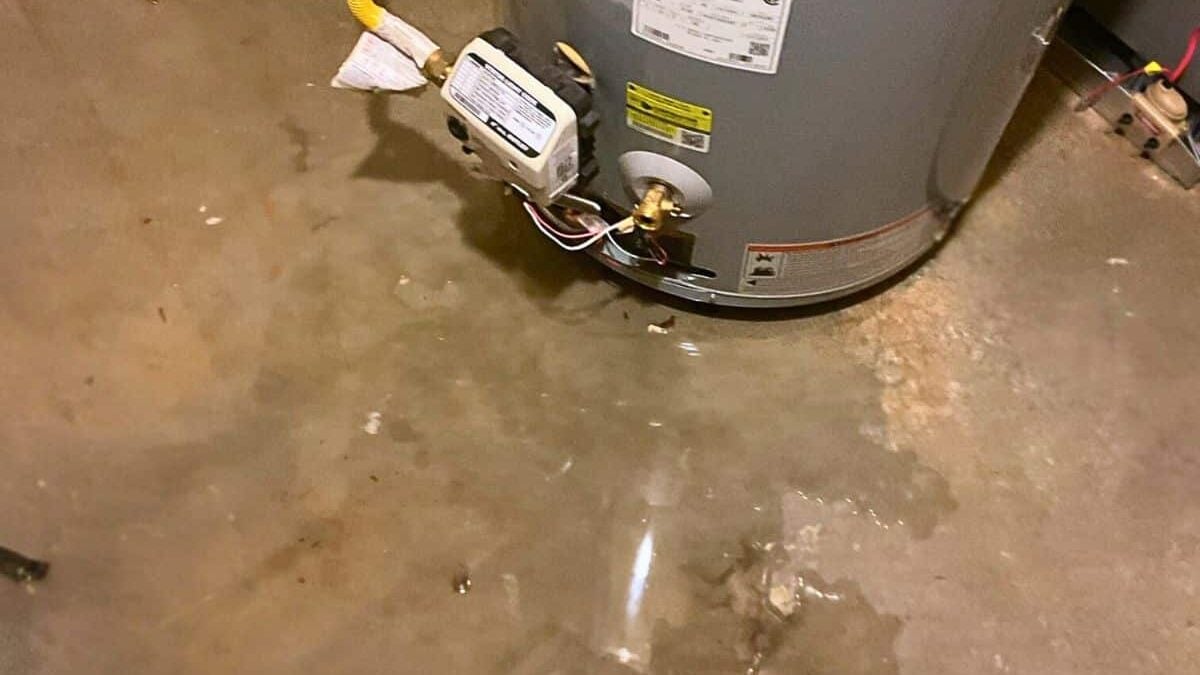
A water heater leaking from the bottom often points to a different issue than leaks coming from valves or supply connections. In many cases, water collecting beneath the tank signals internal wear caused by age, corrosion, or long-term sediment buildup. Understanding why a water heater is leaking from the bottom helps homeowners make calmer, more informed decisions about whether repair is possible or if replacement is the safer long-term option.
How Bottom Leaks Fit Into the Bigger Picture
When diagnosing a water heater leaking from the bottom, it helps to understand how this type of leak compares to other issues arising from finding your water heater leaking. Not all leaks point to the same cause, and the location of the water often determines whether repair is possible or if replacement is the safer option. For a broader explanation of leak types and what homeowners should look for, see our guide on water heater leaking, which walks through common leak locations and why identifying the source matters before making decisions. With that context in mind, a bottom leak deserves special attention because it often points to internal tank problems rather than external fittings.
What a Bottom Leak Usually Tells Us About a Water Heater
When homeowners notice water pooling under a water heater, it’s easy to assume the unit has completely failed. In reality, the location of the water provides important clues about what may be happening. A water heater leaking from the bottom narrows the list of likely causes and often indicates issues that differ from more common valve or fitting leaks.
Because water naturally travels downward, part of the evaluation process involves confirming whether the moisture is truly coming from the bottom of the tank or migrating there from another source. Identifying the origin correctly matters before any repair or replacement decisions are made.
Why a Water Heater Leaking From the Bottom Is Different
Water found beneath a water heater can come from several different sources. In some cases, the tank itself is failing. In others, the water is coming from a nearby component or connected system and simply collecting at the lowest point.
Because a water heater leaking from the bottom is often associated with non-repairable tank issues, determining the true source early helps prevent unnecessary work and reduces the risk of unexpected water damage.
Internal Tank Corrosion (The Most Common Cause)
The most frequent reason a water heater leaks from the bottom is internal tank corrosion. Over time, minerals naturally present in the water settle at the bottom of the tank as sediment. This sediment traps heat, increases internal stress, and gradually weakens the tank’s lining.
As corrosion progresses, small failures can develop near the base of the tank. Once this happens, water escapes from the lowest point and appears as a persistent puddle underneath the unit. When a water heater leaking from the bottom is caused by corrosion, it usually indicates the tank itself has reached the end of its service life.
Sediment Buildup and Thermal Stress
Sediment buildup does more than reduce water heater efficiency. As sediment hardens inside the tank, it creates uneven heating during normal operation. These hot spots cause the metal to expand and contract irregularly, accelerating wear near the bottom of the tank.
In some cases, small leaks begin slowly and worsen over time. Early inspection can help homeowners avoid sudden tank failure and unplanned water damage.
A Leaking Boiler Drain Can Cause a Water Heater to Leak at the Bottom
Some customers find their water heater leaking from the bottom because the boiler drain, also called the drain valve, is failing. This valve is located near the base of the tank and is used to drain the water heater during service or replacement. Because of its position, leaks from the boiler drain often appear identical to a tank leak at first glance.
Over time, boiler drains can wear out, corrode, or develop small internal failures that allow water to seep or drip. In other cases, the threaded connection between the drain valve and the tank can loosen or deteriorate. When this happens, water may collect steadily beneath the water heater without any visible moisture higher up on the unit.
The key difference is that a leaking boiler drain is often repairable, while a leaking tank is not. However, determining which is the cause requires careful inspection, since both situations produce water at the same location. This is why confirming the source matters before assuming a water heater leaking from the bottom needs replacement.
Why Water Can Appear Under a Water Heater Without the Tank Itself Leaking
Water beneath a water heater does not always mean the tank has failed. Because the unit sits at the lowest point in the area, moisture from nearby components can collect underneath and mimic a bottom leak.
One common source is a leaking pipe or fitting near the water heater. Even a slow drip from a supply line, shutoff valve, or nearby plumbing connection can travel along surfaces and pool beneath the tank.
Another frequent cause is a leaking thermal expansion tank. Expansion tanks can corrode over time, or the threaded connection between the tank and piping can loosen or fail. When this happens, water often runs downward and collects under the water heater.
The temperature and pressure relief valve discharge line can also be involved. If the valve opens intermittently due to pressure or temperature conditions and the discharge line is not properly routed to a drain, water may collect near the base of the unit.
In some homes, the source is not plumbing at all. Nearby HVAC equipment, such as an air handler or condensate drain line, can leak or overflow and allow water to migrate toward the water heater area.
Because these situations can closely resemble a water heater leaking from the bottom, identifying the actual source requires careful inspection rather than assumptions based solely on where the water appears.
Why Bottom Leaks Often Mean Replacement, Not Repair
Unlike valves or external fittings, the bottom of a water heater tank is not a serviceable component. When the tank itself begins to leak, patching or sealing is not considered a safe or long-term solution.
In these situations, a water heater replacement is usually recommended to prevent continued leakage and reduce the risk of water damage. Understanding this distinction helps homeowners avoid spending money on repairs that are unlikely to last.
If you do determine that a new water heater is your best course of action, we can help you decide what to replace your water heater with. Our water heater buying guide walks you through considerations like the fuel source of your home, your water heater needs, how long you plan to stay in your home, and more to help you determine what water heater replacement is best for you.
How a Professional Determines the Real Source of the Leak
When evaluating a suspected water heater leaking from the bottom, a professional inspection typically includes checking all upper connections, examining nearby piping, inspecting the thermal expansion tank, evaluating the temperature and pressure relief system, and assessing the age and overall condition of the tank.
This process ensures that recommendations are based on accurate information rather than assumptions. Identifying the true source protects homeowners from replacing a water heater prematurely or attempting repairs that do not address the underlying problem.
Frequently Asked Questions About a Water Heater Leaking From The Bottom
Is a water heater leaking from the bottom dangerous?
A bottom leak can lead to water damage and may indicate internal tank failure. While it may not be immediately hazardous, it should be evaluated to prevent further damage.
Can a water heater leaking from the bottom be repaired, or does it need replacement?
If the leak is coming from the tank itself, repairs are typically not possible. Leaks from nearby components or fittings may be repairable, which is why inspection matters.
Does a water heater leaking from the bottom mean it will fail soon?
In many cases, yes. Bottom leaks caused by internal corrosion usually worsen over time.
How long can a water heater leak from the bottom before replacement is needed?
Once a tank leak begins, replacement is usually recommended sooner rather than later to reduce the risk of water damage.
What should I do if my water heater is leaking from the bottom?
The next step is having the source confirmed so you can make an informed decision based on safety, reliability, and long-term performance.


