

If your water heater is leaking, running out of hot water, or requiring frequent repairs, replacement may be more practical than putting more money into an aging system. Aaron Services helps Lawrenceville homeowners compare traditional tank and tankless water heaters without pressure or a pushy sales routine. A repair may still make sense for a newer unit with a fixable problem, but visible rust, repeated breakdowns, rising repair costs, or an older tank can signal that it’s time for replacement. Our family-owned team has served local homeowners since 1978, providing same-day service with no emergency fees. We’ll evaluate your current system, explain your options clearly, and help you choose the right water heater for your home and hot water needs.
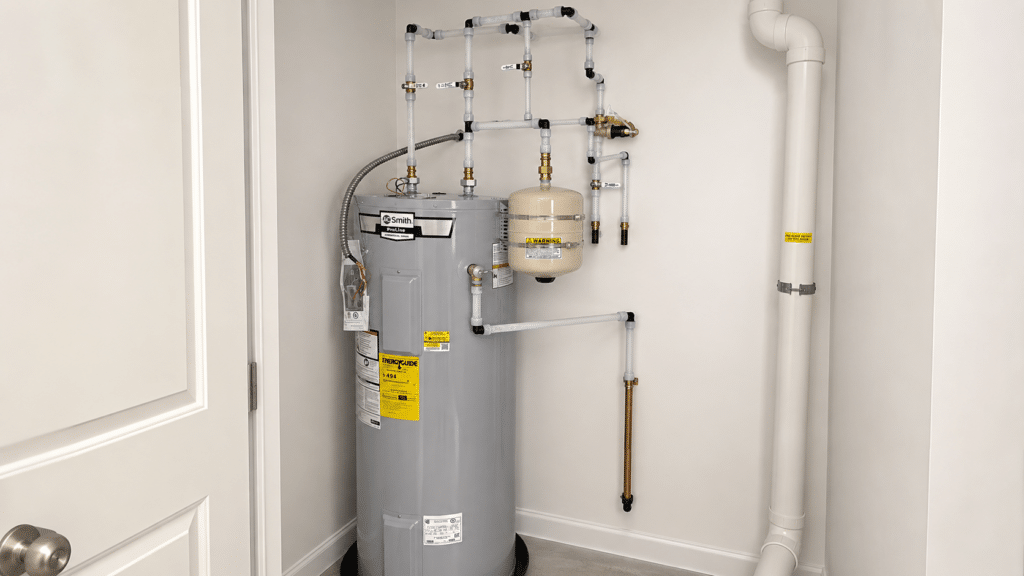
When Water Heater Replacement Starts to Make Sense
Replacement starts to make more sense when the tank is leaking, rust is showing up, hot water is inconsistent, or the system keeps needing service. At that point, another repair may only buy a little time. If the tank is actively leaking and you need help quickly, our emergency plumbing help in Lawrenceville page explains how we handle urgent plumbing calls.
Need Water Heater Replacement in Lawrenceville?
If your current water heater is leaking, rusty, or struggling to keep up, Aaron Services can take a look and walk you through practical replacement options for your home.
Call 770-273-0877 Schedule OnlineWater Heater Replacement vs. Repair
Some water heater problems are worth repairing. A thermostat, heating element, igniter, valve, or minor connection issue may not mean the whole system needs to be replaced. In those situations, water heater repair in Lawrenceville may still be the right first step.
Older systems are different. Once a tank starts leaking, the tank itself cannot usually be repaired in a lasting way. Corrosion, heavy sediment, repeated breakdowns, and rising repair costs can make replacement the more practical long-term option.
Signs replacement may be the better option
Replacement is worth looking at when the water heater is starting to show problems that are not likely to stay fixed for long. A leaking tank, visible rust, inconsistent hot water, rumbling from years of sediment buildup, or repairs that keep adding up can all point in the same direction. If the system is older and the repair cost is climbing, putting that money toward a new unit may be the more practical choice.
Gas vs. Electric Water Heater Replacement
If you already have a gas water heater, replacing it with another gas unit is often straightforward, but venting, combustion air, gas line sizing, and code requirements still need to be checked.
Electric water heaters have different needs. The electrical capacity, breaker size, wiring, and location all matter. If you are switching from gas to electric, or electric to gas, the installation may require additional work before the new system can be safely installed. Atlanta Natural Gas often offers rebates for switching from an electric water heater to a gas water heater.
Choosing the Right Size
The right size depends on how many people live in the home, how much hot water you use at once, and whether you are choosing a tank or tankless system.
A tank that is too small can leave you running out of hot water. A unit that is larger than needed may cost more than necessary to install and operate. We look at your home’s actual hot water demand before recommending a size.
If you’re sticking with a tank water heater, upgrading from a 40 gallon to 50 gallon doesn’t cost much, but noticeably increases your hot water capacity. If you plan to sell your home in the near future, a 50 gallon tank can be more appealing to buyers.
Tankless vs. Tank Water Heater Replacement
Tank water heaters usually cost less to install and are familiar to most homeowners, but once the stored hot water is used, you have to wait for the tank to recover. Tankless water heaters cost more up front, especially if the home needs gas line, venting, or propane work, but they can last much longer with proper maintenance and provide hot water continuously when the unit is sized and supplied correctly. If you currently have an electric water heater, converting to a gas tankless water heater — which is the standard setup for whole-home tankless water heating — can be expensive depending on what it takes to safely supply the heater with natural gas or propane. If you’re considering switching to a tankless water heater, we can look at the existing setup and explain what would actually be involved before you decide.
What Happens During Installation
During replacement, the old water heater is disconnected, drained, and removed. The new unit is set in place, connected to the water and fuel or electrical supply, and checked for safe operation.
We also test for leaks, confirm proper temperature settings, and make sure the system is installed in a way that fits the home, not just the box the new heater came in.
Need a Straight Answer About Your Water Heater?
Whether you need same-day water heater replacement or just want to know if repair still makes sense, Aaron Services can help. We’ll explain what we find, answer your questions, and give you options without emergency fees.
Code Updates and Older Plumbing Setups
Many older water heater installations need a closer look before a new unit goes in. Plumbing codes, venting rules, expansion tank requirements, shutoff valves, drain pans, and relief line setups may have changed since the last heater was installed.
This does not always mean a major project. It just means the replacement should be done carefully, by an experienced plumber, and not a handyman, so the new system is safe, serviceable, and set up correctly for the home.
Water Heater Replacement Reviews From Lawrenceville Homeowners
Many Lawrenceville homeowners call Aaron Services when they need water heater replacement because they want clear options, clean work, and a process that feels calm instead of pressured.
We know that replacing a water heater isn’t something most homeowners look forward to. Our peace of mind process makes water heater replacement simple, calm, and positive. We explain options clearly, keep the work area clean, and help homeowners feel confident about the new system going in. We aim to leave customers feeling great about their experience, and our reviews are the fruits of our labor.


Water Heater Replacement FAQ
Should I repair or replace my water heater?
If the unit is newer and the problem is minor, repair may make sense. If the tank is leaking, rusted, older, or needs repeated service, replacement is usually worth discussing.
How do I know if sediment buildup is a problem?
Rumbling sounds, slower recovery, less available hot water, or water that does not heat like it used to can all point to sediment inside the tank.
Can I replace my water heater with the same size?
Sometimes, yes. But it is still smart to check household usage, available space, venting, and current code requirements before choosing the same size again.
Do older homes need extra work during replacement?
They can. Older shutoff valves, venting, drain pans, expansion tanks, or relief lines may need updates so the new water heater is installed safely and correctly.


 Facebook
  Trustindex


