
If you need water heater replacement Cumming GA homeowners trust, the right solution depends on the condition of your current system, your home’s hot water needs, and whether repair is still a practical option. Common reasons homeowners replace a water heater include tank leaks, unreliable hot water, advanced age, and repeated repairs. This page explains how to recognize replacement signs, choose the right size water heater, compare gas and electric options, and understand what to expect during the replacement process. Same-day replacement may be available in many situations.
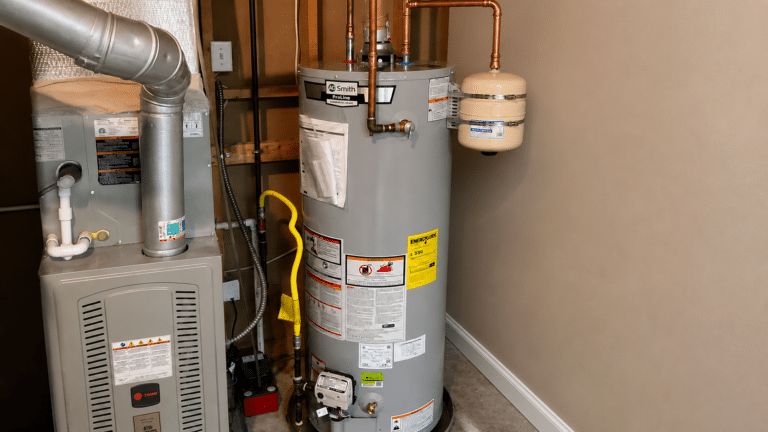
Most homeowners don’t spend much time thinking about their water heater until there’s a problem. A small puddle near the tank, a shower that turns cold too quickly, or rusty-looking hot water can all raise the same question: is this something that can be repaired, or is it time to replace the system?
Many homes throughout Cumming and Forsyth County that need water heater services are reaching the age where replacement becomes a realistic consideration. Aaron Services helps homeowners evaluate the condition of their water heater, understand their options, and decide whether repair or replacement makes the most sense for their situation. The goal is simple: provide clear information without pressure so you can make a practical decision for your home.
Signs It May Be Time to Replace Your Water Heater
Most water heater problems start with a small change: a little water near the tank, showers getting cold sooner, or hot water that looks rusty. For homeowners in Cumming and Forsyth County, these symptoms can point to anything from a simple part failure to a tank that is getting close to the end of its service life.
- Rust-colored hot water
- Popping or rumbling noises
- Water around the tank
- Running out of hot water faster
- Frequent repairs
- An older unit with more than one symptom
Water near the base of the heater is usually the first thing that gets a homeowner’s attention. Sometimes the source is a loose fitting, a valve, the drain connection, or a nearby supply line. Those are problems that can often be repaired.
Rust-Colored Hot Water
In an older tank, rust-colored hot water carries more weight, especially if it shows up along with leaks, noise, or poor hot water recovery. It can be a sign that the inside of the tank is wearing down.
If showers turn cold sooner than they used to, the water heater may not be heating properly or may not be holding as much usable hot water as it once did. Electric elements, thermostats, gas controls, burners, and dip tubes can all cause performance problems, and some of those repairs are straightforward on the right unit.
Popping or Rumbling Noises
Popping, rumbling, or crackling sounds often come from sediment at the bottom of the tank. As water heats under that layer of minerals, it can make noise while the heater is running.
A little noise does not automatically mean the water heater has to be replaced. But heavy sediment in an older tank can reduce efficiency, slow recovery, and add strain over time. If the heater is already having other problems, the noise helps paint a clearer picture.
Water Around the Tank
A leaking tank is different. If water is coming through the tank itself, the steel lining has usually started to fail from the inside. At that point, repair usually is not practical, and replacement is often the more realistic option.
Rusty water on the hot side can come from corrosion inside the water heater, a worn anode rod, or sediment that has built up over time. If the water heater is newer and the issue is isolated, service or a part replacement may still make sense.
Running Out of Hot Water Faster
Sediment can also take up space inside the tank and slow down recovery. In Cumming homes with hard water conditions or older equipment, that buildup can make the heater work harder and feel smaller than it really is.
When Age Starts to Matter
Aaron Services helps homeowners look at what is actually happening with the unit before deciding on the next step. Sometimes water heater repair is the right call. Other times, replacing the water heater is the more practical way to avoid chasing one problem after another.
Need Hot Water Again?
Same-Day Water Heater Replacement Available
If your water heater is leaking, out of hot water, or simply not keeping up, Aaron Services may be able to replace it the same day. We stock many common residential water heaters on our trucks to help minimize downtime.
Call 770-273-0877 Schedule OnlineChoosing the Right Water Heater for Your Home
Once replacement starts looking like the practical direction, the next question is usually pretty simple: what should go back in its place? For homeowners in Cumming and Forsyth County, the right answer depends on the home, the people living there, and how hot water gets used day to day.
Start With the Right Tank Size
Tank size is one of the first things to look at, but it should not be chosen by guesswork. A 40-gallon water heater may be fine for one household and frustrating for another. The difference usually comes down to how many people are using hot water and how close together that usage happens.
A few things matter more than the number on the tank alone:
- How many people live in the home
- How many bathrooms are used during the same part of the day
- Whether showers, laundry, and dishes often happen back to back
- Whether the home has a large soaking tub or multiple shower heads
- Whether more people may be living in the home in the near future
If the old water heater mostly kept up until it started wearing out, replacing it with the same size can make sense. If the home has changed since the last heater was installed, it is worth taking a fresh look.
Household Size and Hot Water Habits
Two homes can have the same number of people and still use hot water very differently. One family may take short showers at different times of day. Another may have several people getting ready in the same hour every morning.
That difference matters. A water heater that looks right on paper can still feel too small if the home has heavy peak-hour demand. This is where a real conversation helps more than a quick rule of thumb.
For example, a household with teenagers, frequent laundry, and evening dishwashing may need more capacity than a similar-sized home with lighter hot water use. The goal is not to oversize everything. It is to choose a unit that matches the way the house actually runs.
Recovery Rate Matters, Too
Tank size tells you how much hot water the heater stores. Recovery rate tells you how quickly it can heat more water after hot water has been used.
That matters because a larger tank is not always the whole answer. A water heater with a stronger recovery rate may perform better for a busy household than a larger unit that heats slowly. Gas water heaters often recover faster than many standard electric models, though the right choice depends on what utilities are available and how the home is set up.
If your main complaint has been running out of hot water after several showers, recovery rate should be part of the discussion. Otherwise, you could replace the tank and still end up with the same frustration.
Gas Versus Electric Water Heaters
Many Cumming homes already have either gas or electric service in place for the existing water heater. In a lot of cases, staying with the same fuel type is the most straightforward replacement path.
Gas water heaters usually heat water faster and can be a good fit for homes with higher hot water demand. Electric water heaters are common as well, especially in homes without gas service or where the existing electrical setup already supports the unit.
Switching from one type to another is not always simple. It can involve venting, gas piping, electrical work, or space considerations. That does not mean it is off the table, but it should be looked at carefully before making the decision.
Energy Efficiency and Everyday Use
Efficiency ratings are helpful, but they should be weighed alongside comfort and usage. A more efficient water heater that is too small for the home can still leave people unhappy. A properly sized unit that fits the home’s demand is usually the better long-term choice.
Some homeowners also ask about tankless water heaters during replacement. Tankless can be a good option for certain homes, especially where space savings or longer hot water use is a priority. It is not the right fit for every house, though, and the installation requirements are different enough that it should be discussed separately from a standard tank replacement.
Replacing With the Same Size or Upsizing
Replacing the water heater with the same size can be the right move when the old unit served the home well. If a 50-gallon heater provided enough hot water for years and only recently started struggling, the issue may have been age or wear rather than size.
Upsizing makes more sense when the household has outgrown the old heater. Maybe the family is larger now, an extra bathroom was added, or hot water use has simply increased. In those cases, putting in the same size again can repeat the same problem.
There are limits, though. A larger tank needs room, proper connections, and the right setup around it. The best choice is the one that fits both the home and the household’s hot water habits.
Why Too Small Becomes a Regret
Homeowners usually regret choosing a water heater that is too small for the same reasons. Showers have to be spaced out. Laundry gets delayed. Someone ends up with lukewarm water even though the unit is brand new.
That is frustrating because the problem was not the new water heater failing. It was the wrong match for the home.
Aaron Services helps homeowners look at these details before replacement, without pushing one option as the answer for every house. The goal is to choose a water heater that fits the way your Cumming home actually uses hot water, so the replacement feels practical once it is installed.
Not Sure Whether to Repair or Replace?
Not every water heater needs replacement. Aaron Services can help you understand what’s causing the problem, whether repair is still practical, and when replacement may make more sense. Our goal is to provide clear options without pressure.
Why Cumming Homeowners Choose Aaron Services
If you’re already leaning toward water heater replacement, the next question is usually who you feel comfortable trusting in your home. Aaron Services is family-owned and operated and has served local homeowners in Cumming since 1978. Our experienced technicians take time to explain the options, answer questions, and help you choose a solution that fits your home without pressure.
Water heater problems rarely happen at a convenient time, which is why Aaron Services does not charge emergency fees. Same-day replacement may also be available when scheduling, equipment, and installation conditions allow.
Homeowners in Cumming appreciate reliable service, respectful technicians, and clean workmanship. That means protecting the work area, removing the old water heater, and leaving the space as clean as possible when the job is finished.
See what local homeowners have to say about their experience below.
FAQs about Water Heater Replacement in Cumming GA
How do I know if I need water heater replacement?
You may need water heater replacement if the tank is leaking, the unit is older, hot water runs out faster than it used to, or the system has become unreliable. Rust-colored hot water, rumbling noises, and repeated repairs can also point toward replacement. A plumber can help confirm whether repair still makes sense.
How long do water heaters last?
Most traditional tank water heaters last about 8 to 12 years, depending on water quality, usage, maintenance, and installation conditions. Some last longer, while others wear out sooner. Age matters more when it comes with leaks, poor hot water recovery, rusty water, or frequent service problems.
Can a leaking water heater be repaired?
Sometimes a leaking water heater can be repaired if the water is coming from a valve, fitting, drain connection, or nearby pipe. If the tank itself is leaking, replacement is usually the practical option because the tank lining has likely failed. The first step is finding the actual source of the water.
Should I repair or replace my water heater?
Repair can make sense when the water heater is newer and the issue is limited to a replaceable part, such as a thermostat, heating element, valve, burner component, or control. Replacement is often more practical when the unit is older, leaking from the tank, unreliable, or needing repeated repairs.
How long does water heater replacement take?
Many standard water heater replacements can be completed the same day when the right equipment is available and the existing setup is straightforward. Timing depends on the type of water heater, access to the unit, code requirements, and whether any connections need updates. More involved changes can take longer.
What size water heater do I need?
The right size depends on how many people live in the home, how many bathrooms are used, and how often showers, laundry, and dishes happen close together. A household with heavier peak demand may need more capacity or better recovery. The goal is to match the water heater to how your home actually uses hot water.
Should I choose gas or electric?
In many homes, replacing the water heater with the same fuel type is the simplest path. Gas water heaters often recover hot water faster, while electric models are common where gas service is not available. Switching fuel types can involve venting, gas piping, electrical work, or space changes, so it should be reviewed carefully.
Is same-day water heater replacement available in Cumming?
Same-day water heater replacement may be available in Cumming when scheduling, equipment availability, and installation conditions allow. A standard replacement is usually more straightforward than a fuel-type change or relocation. If the water heater is leaking or no longer keeping up, checking availability early can help avoid delays.