

Should I Repair or Replace My Old Water Heater?
Published January 31, 2024 | Updated April 3, 2026
If you’re wondering should I repair or replace my old water heater, the answer depends on its age, condition, and the cost of the repair. Newer units with minor issues can often be repaired, but older water heaters or major failures are usually better replaced to avoid repeat problems and higher long-term costs.
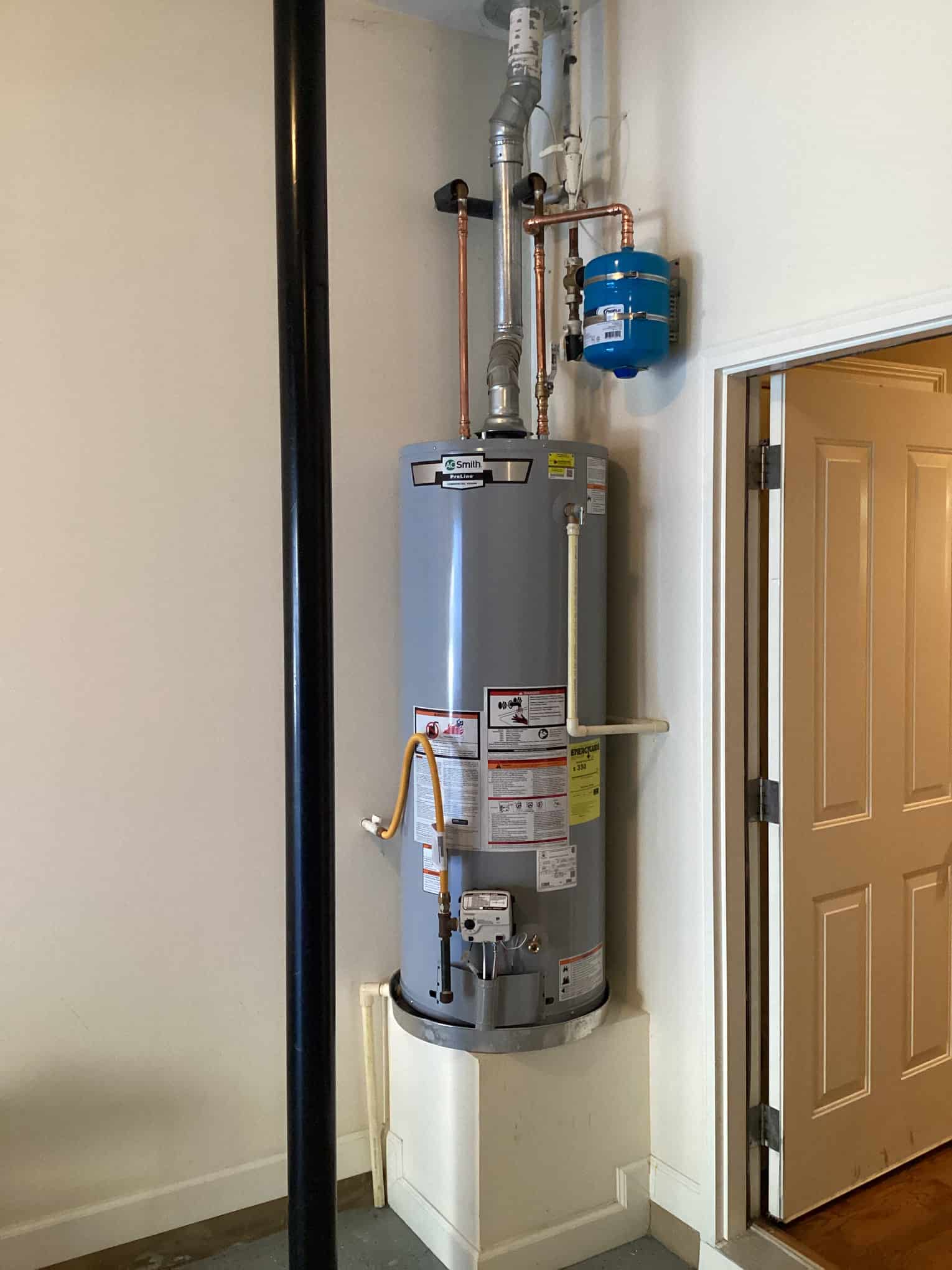
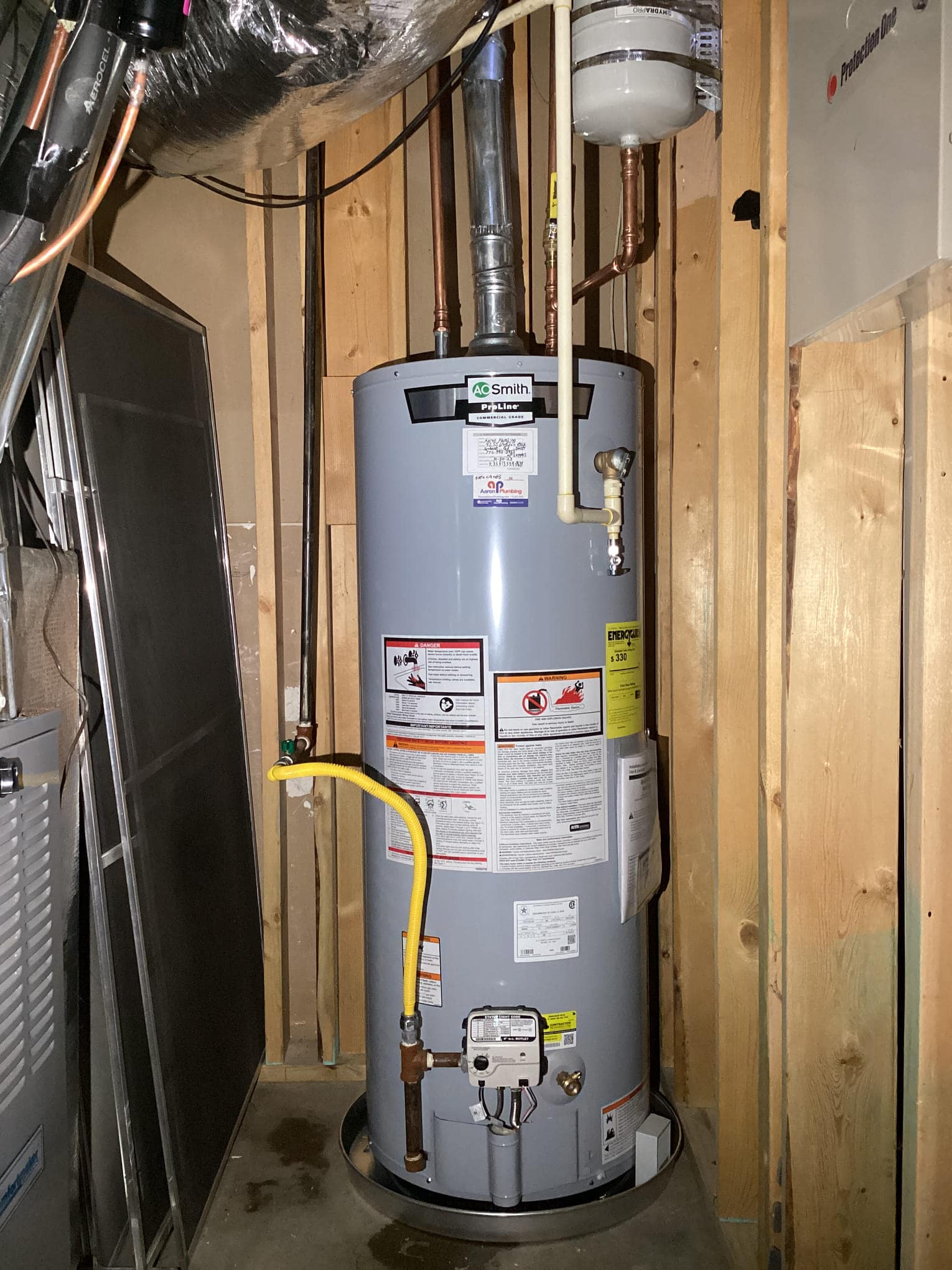
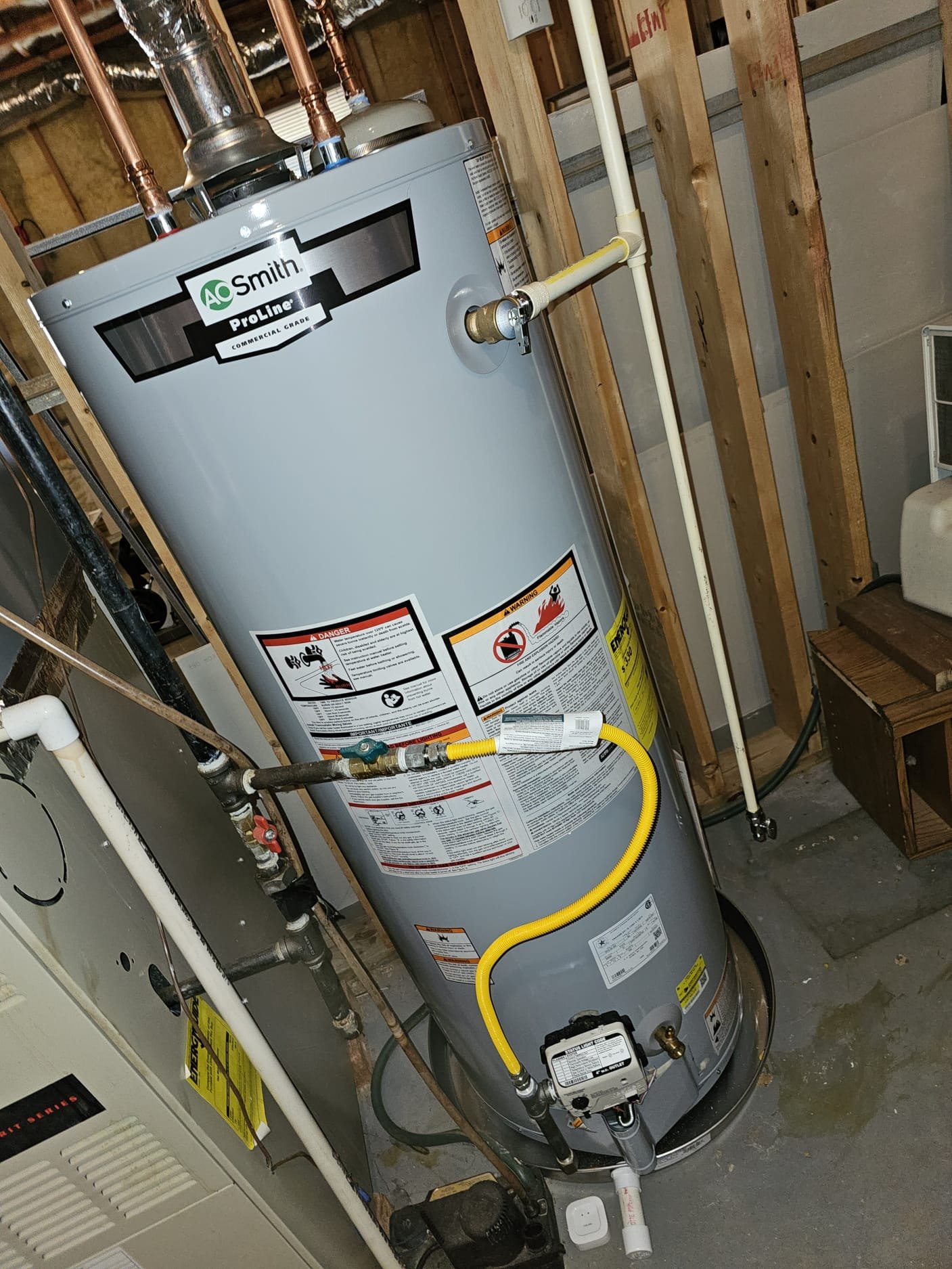
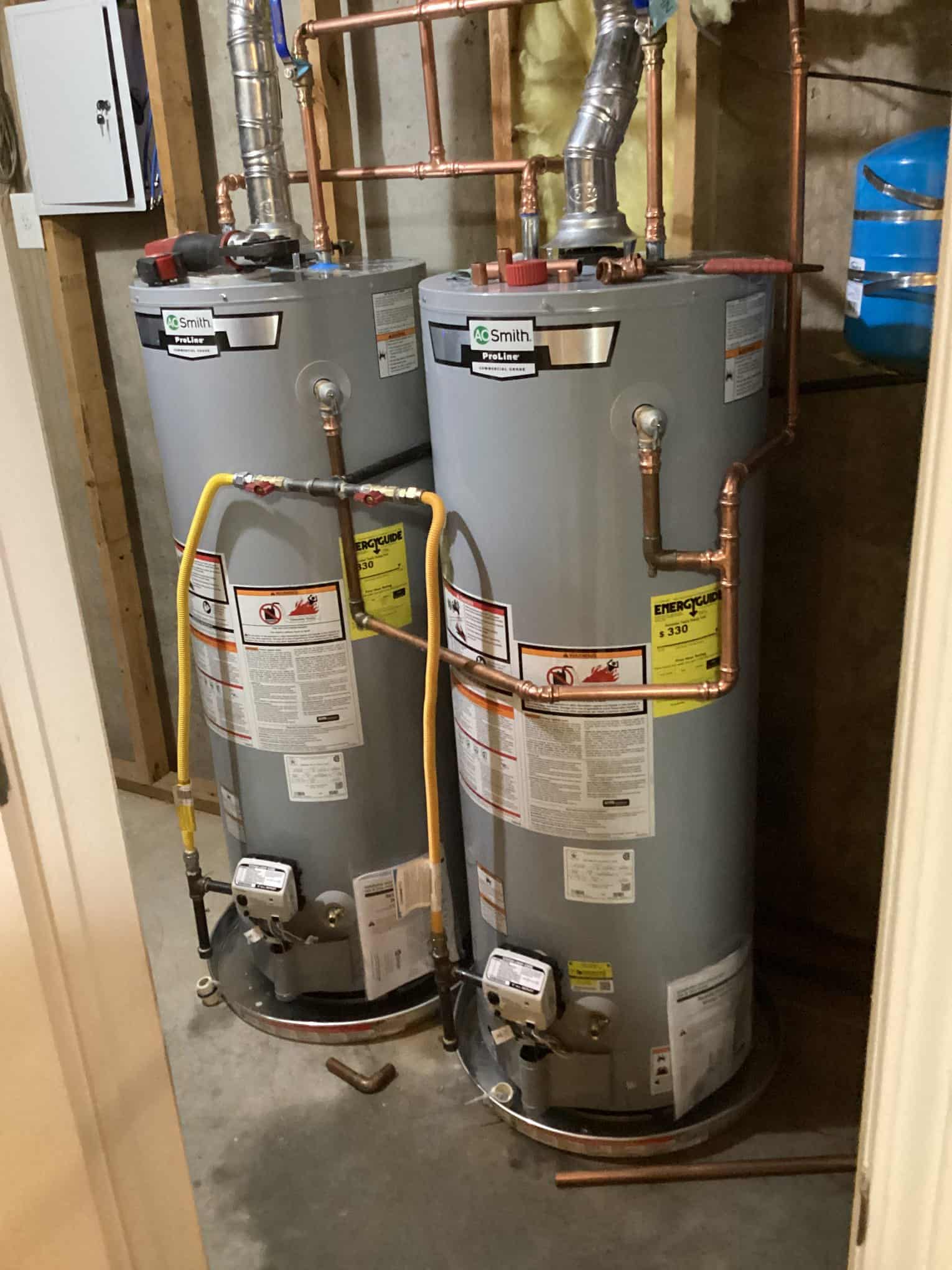
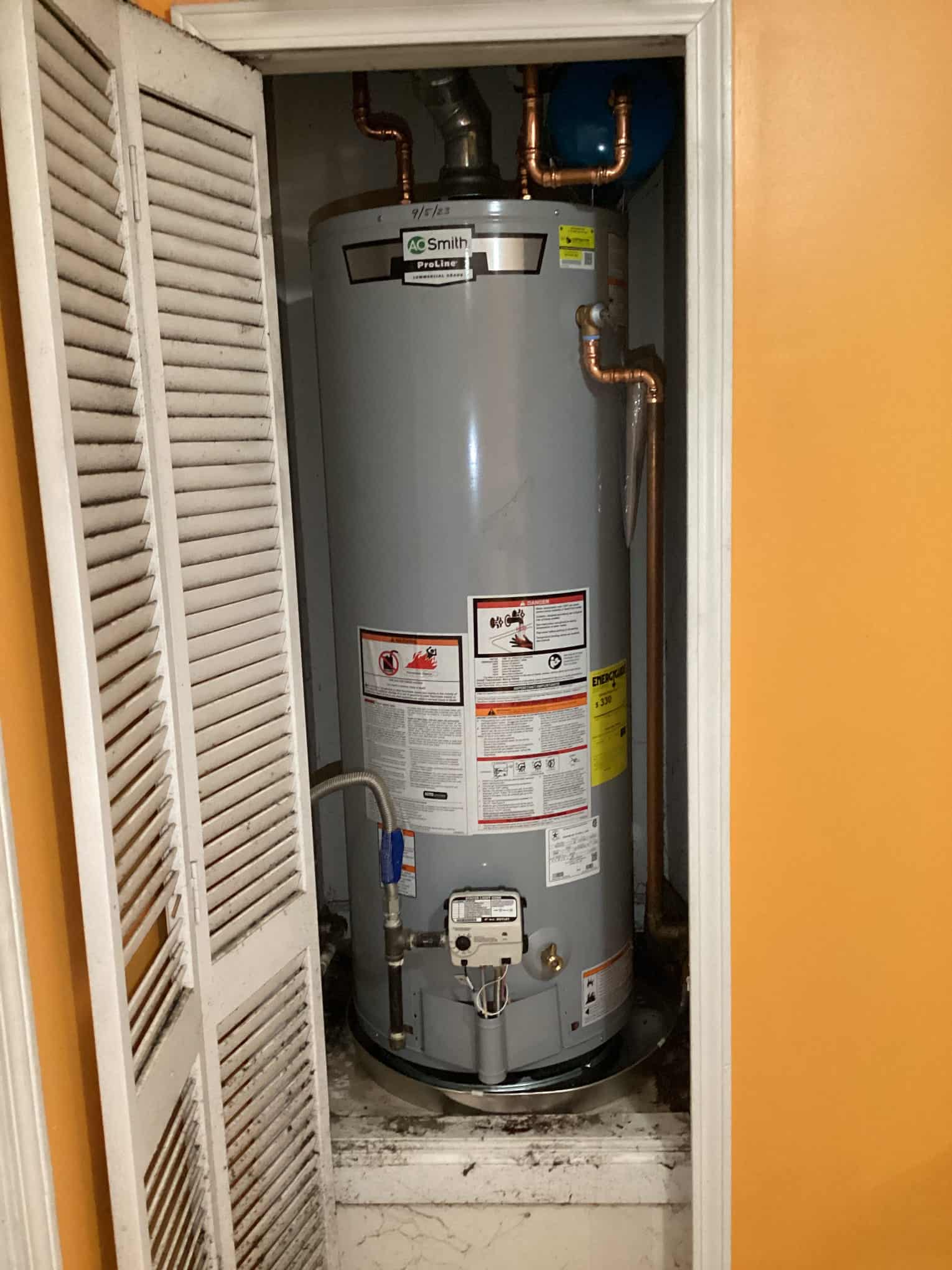
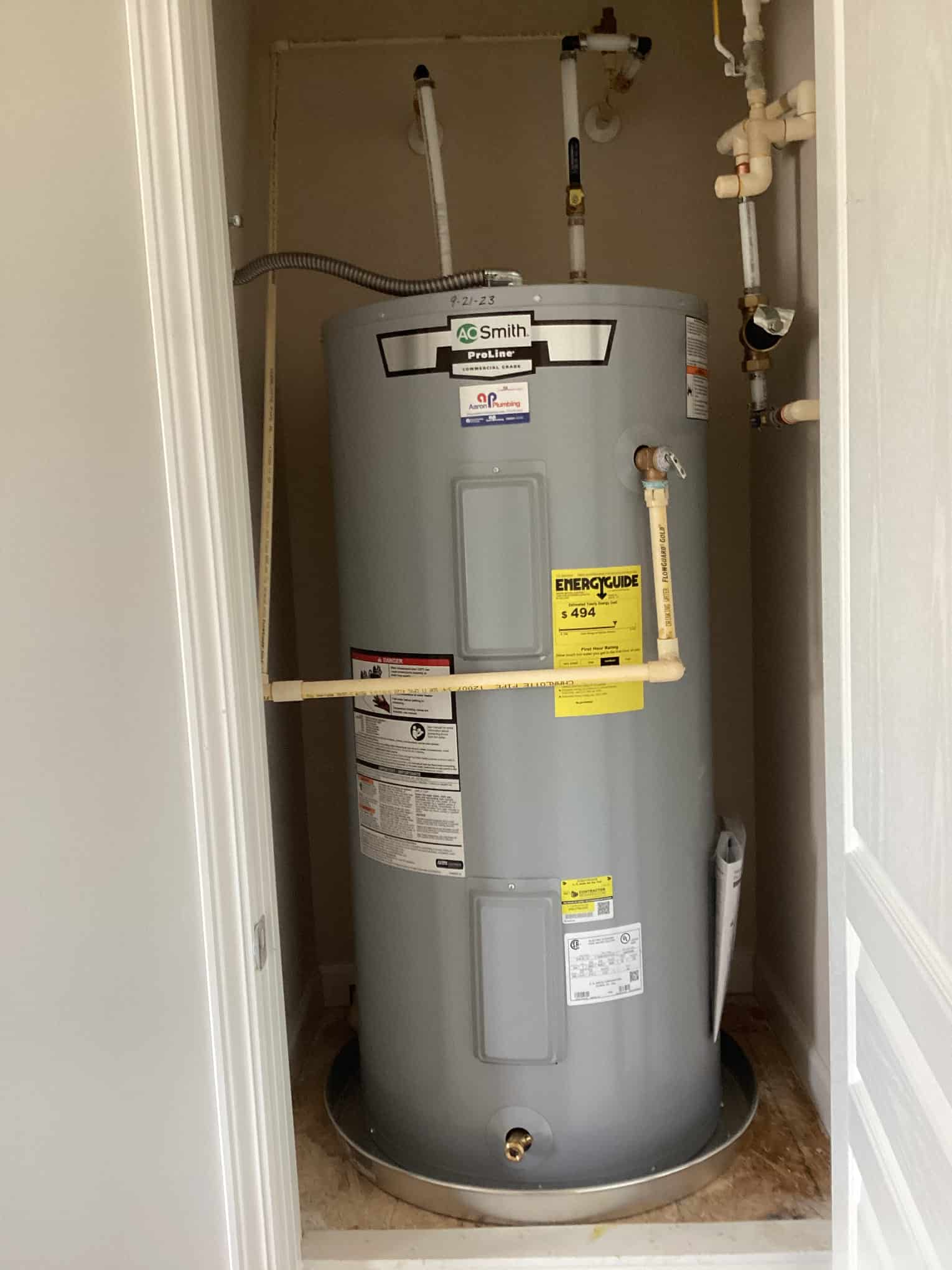

When a water heater stops working, the big question is whether it makes more sense to repair it or replace it altogether. While you don’t want to spend more than you have to, there are times when a repair ends up being a temporary fix on a unit that’s already near the end of its life.
When a Water Heater Repair May Make Sense
A water heater repair is often the right choice when the issue is isolated and the unit still has useful life left.
- The water heater is under 8–10 years old
- The problem is a specific component (thermostat, heating element, valve)
- The tank itself is not leaking
- Repair costs are relatively low compared to replacement
In these cases, a targeted repair can restore performance without the higher upfront cost of a new system.
When It’s Better to Replace Your Water Heater
There are also clear situations where water heater replacement is the smarter long-term decision.
Decreased Efficiency
According to the U.S. Department of Energy, water heating accounts for about 18% of the average home’s energy use. Older water heaters can be significantly less efficient, leading to increased energy consumption and higher bills.
Increasing Repair Costs
Most water heaters last around 10–15 years. As they age, repairs tend to become more frequent and more expensive, making it harder to justify continued investment.
Risk of Leaks and Water Damage
Older water heaters are more prone to leaks, especially from the tank itself. Once the tank begins to fail, replacement is typically the only option, and waiting can lead to water damage.
Reduced Hot Water Supply
Sediment buildup over time can reduce how much hot water your system can actually deliver. This often shows up as shorter showers or inconsistent temperatures.
Outdated Safety Features
Newer water heaters include improved safety features and better system controls. Older units may not offer the same level of protection.
Improved Technology and Efficiency
Modern water heaters are more efficient and better designed. In some cases, upgrading can significantly reduce energy usage and improve overall performance.
Long-Term Value
A new water heater can improve reliability, reduce future repair costs, and even add value to your home.
The Bottom Line: Repair or Replace?
If you’re still asking should I repair or replace my old water heater, it usually comes down to this:
- Repair makes sense for newer systems with minor issues
- Replacement makes sense for older systems, major problems, or repeated repairs
A quick evaluation of age, condition, and repair cost will usually point you in the right direction.
Whether You Repair or Replace Your Water Heater, We Can Help
With Aaron Services: Plumbing, Heating, Cooling same day service and free estimates, our plumbing technicians can help you make the decision best for your home. As you can see in our thousands of 5 star reviews, our honest, friendly techs will look for ways to save you money while also providing their professional opinions on the best solution for you.
Learn More About Water Heaters:
Book Now
Our insights have been featured in


