If you’re asking “why is my water not getting hot?”, the answer usually comes down to a problem with your water heater, power supply, or a worn-out component inside the system. Some issues are simple to check, while others point to a failing unit that may need repair or replacement.
The Most Common Reasons Your Water Isn’t Getting Hot
When hot water stops working, there are a handful of issues we see over and over again. The cause depends on whether you have a traditional tank water heater or a tankless system.
1. No Power or Gas Supply
If you have an electric water heater, a tripped breaker or failed heating element can stop it from producing hot water. For gas units, the issue could be a pilot light that’s gone out or a problem with the gas supply.
This is one of the first things to check because it can completely shut down your system. You may want to check that your whole home has a proper gas or electrical supply. If you find the problem is beyond the water heater, it may be worth checking with your local utility provider, like Atlanta Gas Light, Georgia Power, to rule out a service interruption.
2. Sediment Buildup in the Tank
Over time, minerals in your water settle at the bottom of the tank. This layer of sediment can block heat transfer, making your water lukewarm or inconsistent.
In many Georgia homes, this is especially common and can shorten the life of the unit if not maintained.
3. Broken Heating Elements (Electric Units)
Electric water heaters rely on upper and lower heating elements. If one fails, you may still get some warm water—but not enough, or not consistently.
4. Thermostat Problems
A faulty thermostat can prevent your water heater from reaching the correct temperature or cause it to fluctuate.
5. Tankless System Overload or Error Codes
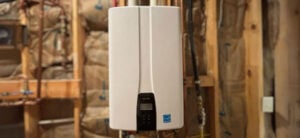
If you have a tankless water heater, your system may not be able to keep up with demand. Running multiple fixtures at once can exceed capacity, or the unit may display an error code indicating a maintenance or component issue.
Quick Checks You Can Safely Do
Before calling a plumber, there are a few simple things you can check yourself.
1. Check the Breaker or Power Source
If you have an electric unit, look at your electrical panel to see if the breaker has tripped. Resetting it may restore hot water quickly.
2. Look for Error Codes (Tankless Units)
Tankless systems often display error codes that point directly to the problem. These can be helpful in determining whether it’s something simple or a larger issue.
3. Test Multiple Fixtures
If only one faucet isn’t getting hot water, the issue may not be your water heater at all. It could be a fixture-specific problem.
4. Check the Thermostat Setting
Make sure your water heater is set to an appropriate temperature (typically around 120°F). If it’s set too low, the water may feel like it’s not getting hot at all.
When You Should Stop and Call a Professional
Some situations aren’t worth troubleshooting on your own. If you’ve done some investigating and are still stumped by the question, why is my water not getting hot, it may be time to get a professional evaluation.
If you notice any of the following, it’s time to bring in a professional:
Water leaking around the base of the tank
Rust-colored or dirty hot water
Strange noises like popping or banging
No hot water at all despite power/gas being on
Repeated resets or recurring issues
These are signs of deeper problems that usually require professional diagnosis and often tie into the need for water heater repair. If you’ve tried to solve the problem yourself, and are still wondering, If you’re still wondering why is my water not getting hot, the issue may be deeper inside the system.
Repair vs Replacement: What Makes Sense?
If your water isn’t getting hot, the next question is whether it’s worth fixing—or if you’re better off replacing the unit.
When Repair Makes Sense
The unit is relatively new (under 8–10 years for tank models)
The issue is isolated (like a heating element or thermostat)
There are no leaks or major signs of wear
In these cases, a targeted repair can restore performance without a major investment.
When Replacement Is the Better Option
The unit is older and nearing the end of its lifespan
You’re dealing with repeated repairs
Efficiency has noticeably declined
There’s a tank leak or major internal failure
At that point, investing in a full water heater replacement can save money and frustration over time.
If you’re still wondering why your water is not getting hot, a professional inspection can quickly pinpoint the issue.
An experienced technician can:
Test electrical or gas components
Inspect internal parts safely
Flush sediment buildup if needed
Help you compare repair vs replacement options
The goal is to give you clear answers so you can make the right decision for your home—not guess and hope for the best.
Additional Questions About Water Heaters
Should I repair or replace my old water heater?
If your unit is older or breaking down frequently, replacement is often more cost-effective than continued repairs. Consider the age of your water heater and whether your current model is meeting your hot water needs when deciding between repair or replacement.
The lifespan of a water heater can vary based on the maintenance it receives and the type of heater that it is. Most traditional tank water heaters last 8–12 years, depending on maintenance and water quality. Tankless water heaters can last over 20 years if properly maintained.
What to Do Next If Your Water Isn’t Getting Hot
If your hot water has suddenly stopped working, start with the simple checks. If nothing obvious stands out—or if you’re seeing signs of a bigger issue—it’s time to get a clear answer.
The longer a water heater problem goes unresolved, the more likely it is to turn into a bigger repair or even water damage. A quick diagnosis now can save you time, money, and frustration.
Explore a comprehensive range of plumbing insights with '100 Plumbing Questions by Aaron Services.' This detailed FAQ covers topics from general plumbing concerns to water heaters, drain maintenance, bathroom and kitchen plumbing, emergency situations, installation tips, and budgeting considerations. Whether you're curious about fixing leaks, upgrading fixtures, or preventing clogs, these answers provide valuable guidance. Delve into the world of plumbing with expert advice to address common issues, enhance efficiency, and make informed decisions for your plumbing needs.