Water Heater Making a Popping Noise? What It Means and What to Do
Reading Time: 5minutes
Published April 6, 2026 | Updated April 6, 2026
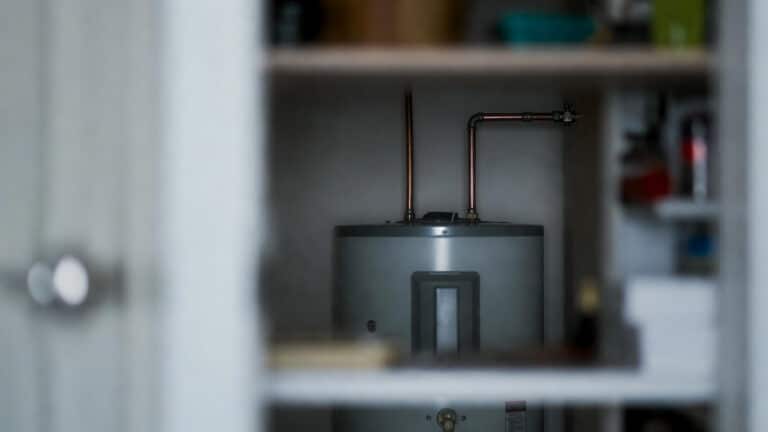
If you have a water heater making a popping noise, it’s usually caused by sediment buildup at the bottom of the tank. As water heats, trapped moisture beneath the sediment creates bubbles that burst—producing that popping or rumbling sound. While it may start as a minor issue, it can reduce efficiency and lead to bigger problems if ignored.
It usually starts as a faint popping or crackling sound when the water heater is running. Over time, it can get louder—almost like something is knocking inside the tank. If your water heater is making a popping noise, it’s not something to ignore, but it also doesn’t always mean you need a full replacement.
Signs of the Problem
If your water heater is making a popping noise, you may be noticing just one of several indicators that something isn’t quite right. You may also notice:
Rumbling or banging sounds during heating cycles
Hot water running out faster than usual
Higher energy bills without increased usage
Inconsistent water temperature
Slight discoloration in hot water
These signs typically point to buildup inside the tank rather than a failure of the entire unit.
What It Means When Your Water Heater is Making a Popping Noise
In most cases, a popping noise means there is sediment buildup at the bottom of your water heater tank.
Over time, minerals—especially in areas with moderately hard water—settle at the bottom of the tank. When the burner heats the water underneath that layer, steam bubbles form and push through the sediment. That movement is what creates the popping sound.
Common Causes
1. Sediment Buildup (Most Common)
Minerals like calcium and magnesium settle at the bottom of the tank and harden over time.
2. Lack of Regular Flushing
If the tank hasn’t been flushed in a year or more, sediment has more time to accumulate.
3. Hard Water Conditions
Homes with harder water tend to experience faster buildup inside water heaters.
4. Aging Water Heater
Older tanks tend to have thicker, more compact sediment layers that are harder to break up.
Quick Checks You Can Do
Before calling a professional, there are a few simple things you can look at:
Listen to when the noise occurs (usually during heating)
Check the age of the unit (over 8–10 years may indicate buildup or wear)
Think about maintenance history (has it ever been flushed?)
Avoid attempting to drain the tank yourself if you’re unsure—improper flushing can stir up debris and clog valves.
When the Problem Goes Beyond Noise
A popping noise is often caused by sediment buildup—but sometimes it’s a sign of something more serious developing inside your water heater.
If you’re hearing popping sounds along with other symptoms, it’s worth taking a closer look at what’s really going on:
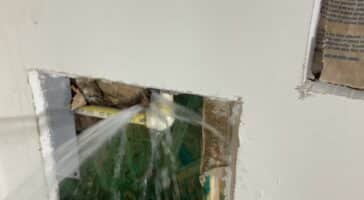
If you notice water around the base of the tank, it could point to a bigger issue. If your water heater is older and leaking from the bottom, it may not be repairable.
If you find moisture or water at the top of the unit, connections or components may be failing. There may be life left in your water heater yet.
If your hot water supply is dropping—or you have no hot water at all—the issue may have moved beyond a sediment barrier.
In many cases, these symptoms show up together. A water heater that’s making noise, losing efficiency, or showing signs of leaks is often nearing the point where repair or replacement should be considered.
If something doesn’t seem right, it’s better to get a clear answer now than deal with a bigger problem later.
When to Call a Professional
If your water heater is making a popping noise and:
The sound is getting louder
Your hot water supply is decreasing
You’ve never had the tank flushed
The unit is over 8–10 years old
…it’s time to have it inspected.
At that point, it’s a good idea to have a professional take a look and determine whether a flush will solve the issue or if something more is going on. You can learn more about your options for water heater repair and what to expect during a service visit.
If your water heater is making a popping noise and:
The sound is getting louder
Your hot water supply is decreasing
You’ve never had the tank flushed
The unit is over 8–10 years old
…it’s time to have it inspected.
You can learn more about professional diagnostics and repairs here:
How the Problem Is Fixed
In many cases, the solution starts with a professional tank flush.
A technician will:
Drain the tank safely
Break up and remove sediment
Inspect the heating components
Check for signs of damage or corrosion
If buildup has been there too long, flushing may not fully solve the issue. In those cases, a water heater replacement may be your best course of action.
How Much Does it Cost to Fix a Noisy Water Heater?
Costs associated with addressing a water heater making a popping noise can vary depending on the condition of the unit:
Tank flush: typically lower-cost maintenance service
Minor repairs: moderate cost depending on parts
Replacement: higher upfront cost, but often more efficient long-term
If the tank is older and heavily impacted by sediment, continuing to repair it may not be the most cost-effective option. An experienced plumber will walk you through all of your water heater service options to help you decide on the best next steps for your home.
What Happens If You Ignore It
Ignoring a popping noise can lead to:
Reduced heating efficiency
Higher energy bills
Overheating of the tank bottom
Premature tank failure
Possible leaks over time
Sediment acts like a barrier between the burner and the water, forcing the system to work harder than it should.
Local Considerations (Georgia Homes)
In the Georgia area, water conditions can contribute to mineral buildup over time. Combined with older homes—especially in areas like Gwinnett and Forsyth County—many water heaters are already nearing the end of their lifespan. While we generally have higher water quality than other areas of the country, the minerals in our water can drastically affect the lifespan of a water heater.
Additional Questions About Water Heater Noises
Why does my water heater sound like it’s boiling?
This is one of the many issues that can arise with water heaters. The sound is usually sediment trapping water underneath, causing steam bubbles to form and escape.
Is a popping noise dangerous?
Not immediately, but it can lead to damage if left untreated for too long.
Can I flush my water heater myself?
It’s possible, but improper flushing can cause more problems. Professional service is typically safer and more thorough.
How often should a water heater be flushed?
Once per year is generally recommended to prevent sediment buildup.
Does a popping noise mean I need a new water heater?
Not always. If you notice your water heater making a popping noise early enough, flushing can resolve it. Older units may be better candidates for replacement.