

Toilet Making a Hissing Sound? What It Means and What to Do Next
Published February 9, 2026 | Updated February 9, 2026
If you have a toilet making a hissing sound, it’s usually refilling water inside the tank when it shouldn’t. In most cases, the cause is a worn fill valve, an improperly set water level, or a flapper that isn’t sealing fully. While the issue is rarely urgent, it can quietly waste water and should be addressed before it leads to higher utility bills or additional wear on toilet components.
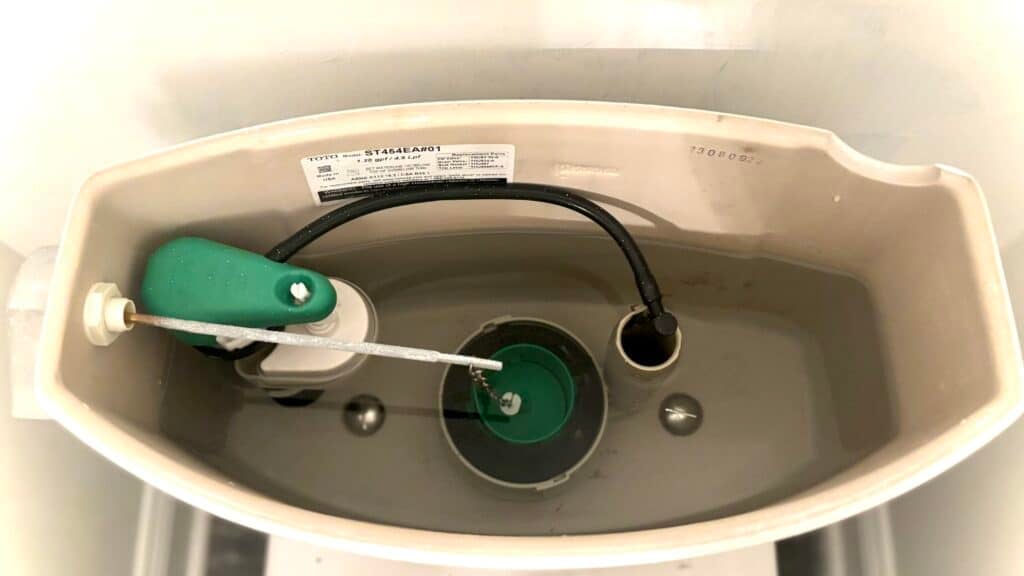
If your toilet is making a hissing sound, you’re not imagining it — and you’re not alone. Homeowners often notice this noise late at night or when the house is quiet and wonder whether it’s normal or a sign of a problem. In most cases, a hissing toilet points to water slowly moving where it shouldn’t, usually inside the tank.
Below, we’ll explain why toilets hiss, how to narrow down the cause, what you can safely check at home, when professional help makes sense, and how to prevent the issue from coming back.
What Causes a Toilet Making a Hissing Sound
A hissing toilet is almost always related to water flow, not air.
Inside the toilet tank, the fill valve refills the tank after each flush and shuts off once the correct water level is reached. When that shutoff doesn’t happen cleanly, water continues to trickle into the tank, creating a quiet hissing or whispering sound.
In many homes around Atlanta, mineral content in the water, aging components, and older plumbing fixtures can all contribute to this issue. Over time, seals wear down, adjustments drift, and parts stop sealing as tightly as they should.
While the sound may seem harmless, it usually means the toilet is refilling more often than necessary. According to the U.S. Environmental Protection Agency, a running toilet can waste hundreds of gallons of water each day, even when the leak isn’t obvious.
The Most Common Causes of a Hissing Toilet
One of the most frequent causes is a worn fill valve. As the internal seals age or collect mineral buildup, the valve may no longer shut off completely. Even a slight leak can cause repeated refill cycles and ongoing noise.
Another common issue is an improperly set water level. If the tank water level is adjusted too high, water can flow into the overflow tube and trigger constant refilling. This creates a hissing sound even when the toilet hasn’t been used.
A flapper that doesn’t seal fully can also be responsible. When water slowly leaks from the tank into the bowl, the fill valve activates to replace it. This refill process often produces the sound homeowners hear.
Less commonly, the noise may come from the shutoff valve or be influenced by water pressure, but these causes are far less common than internal tank components.
Diagnosing the Issue Like a Pro
Start by determining whether you just have one toilet making a hissing sound or if it’s happening elsewhere in the home. A hissing sound from a single toilet usually points to an issue inside that fixture. If multiple toilets or fixtures are refilling unexpectedly, the issue may involve water pressure or supply regulation.
Pay attention to timing. If the hissing begins long after a flush — sometimes minutes or even hours later — that’s a strong sign that water is slowly escaping the tank and triggering a refill. Toilets should remain silent once filling is complete.
A simple visual check can help. Remove the tank lid and observe the water level. The water should stop below the overflow tube, and there should be no visible movement once filling ends. Ripples in the bowl without flushing are another clue that water is leaking internally.
It’s also important to distinguish a hissing sound from other toilet noises. If a toilet is gurgling or making a regurgitating sound, the issue is usually related to drainage or venting rather than a refill problem inside the tank. Knowing the difference between these sounds can help point you toward the right type of repair and avoid chasing the wrong fix.
Simple Checks You Can Safely Try at Home
Some hissing issues are minor and easy to identify.
Check the tank water level first. Many modern fill valves allow for simple adjustments. If the water sits too high, lowering it slightly may stop the sound.
Inspect the flapper for warping, stiffness, or mineral buildup. A flapper that doesn’t lie flat can allow slow leaks. Replacing a worn flapper is a straightforward task and often resolves the issue.
Listen closely near the fill valve. If the hissing sound is strongest there, the valve itself may be the source. While some homeowners choose to replace fill valves themselves, correct installation and adjustment are important to prevent recurring problems.
Avoid chemical cleaners inside the tank, as they can damage rubber components and shorten their lifespan.
When It’s Time to Call a Professional
If you still have a toilet making a hissing sound after basic checks, professional help can save time and frustration. Persistent refilling, unexplained increases in water usage, or repeated part failures usually indicate that components need proper diagnosis rather than trial-and-error fixes.
It’s a good idea to call a professional if the toilet refills constantly, your water bill has increased without explanation, multiple fixtures show similar behavior, or the shutoff valve won’t fully close.
Addressing the issue early often prevents more expensive repairs later.
What to Expect from a Professional Toilet Repair Visit
During a service visit, a technician will inspect the internal tank components, verify proper water levels, and test shutoff performance. Worn or failing parts are identified quickly, and recommendations are based on the condition of the toilet rather than assumptions.
Most hissing toilet repairs are completed in a single visit and involve adjusting or replacing common components rather than replacing the entire fixture.
Preventing a Hissing Toilet in the Future
Preventive care can reduce the likelihood of toilet noise and water waste.
Avoid using in-tank cleaning tablets, which can degrade seals over time. Periodically inspect the tank for slow leaks, especially in older homes. If a toilet is more than a decade old, proactive replacement of internal components can help prevent recurring issues.
Paying attention to subtle sounds early can help avoid unnecessary water loss and extend the life of the fixture.
Frequently Asked Questions About Hissing Toilets
Is a hissing toilet wasting water?
In many cases, yes. Even small internal leaks can add up over time.
Can this problem fix itself?
No. Worn or misadjusted parts typically worsen rather than improve on their own.
Is this an emergency?
Usually not, but ignoring it can lead to higher water bills and additional wear on components.
Does a hissing toilet mean I need a new toilet?
Most of the time, no. Repairs are far more common than full replacements.
The Bottom Line
When a toilet is making a hissing sound, it’s usually a sign that water is quietly refilling when it shouldn’t be. While the issue is rarely urgent, it’s also rarely something to ignore. While you may be able to fix this issue yourself, homeowners often find that a plumber can solve the problem faster, with a quick diagnosis and parts already on their truck.
Understanding what’s happening allows you to decide whether a small adjustment, a simple repair, or professional help makes the most sense. Better information leads to better decisions — and quieter bathrooms.
Book Now
Our insights have been featured in