How often should I change my HVAC air filter? Most homeowners should replace their filter every 1–3 months, depending on filter type, system usage, pets, and indoor air quality needs. Changing your filter on time keeps airflow strong, lowers energy costs, and helps prevent issues like frozen coils and unnecessary system wear.
Regularly changing air filters is crucial for maintaining optimal HVAC performance and indoor air quality.
Heating and cooling systems rely on steady, unrestricted airflow to work properly. That’s why one of the most common questions homeowners ask is how often to change HVAC air filter systems to keep everything running efficiently. In most homes, air filters should be replaced every one to three months, but the exact timing depends on the type of filter, how often the system runs, and factors like pets or allergies.
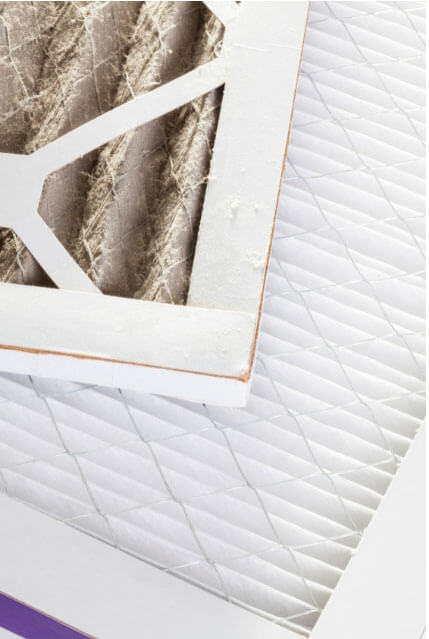
A clean air filter allows air to move freely through your HVAC system. As dust and debris build up, airflow drops and the system has to work harder to do the same job. That added strain can lead to higher energy bills, frozen evaporator coils, and unnecessary wear on important components.
Replacing your air filter regularly is one of the simplest ways to keep your heating and cooling system running smoothly. Whether you rent or own your home, staying on top of this small task can make a noticeable difference in both comfort and system performance.
Many lease agreements require renters to replace air filters regularly for this reason, but homeowners benefit just the same. The type of filter installed in your system plays a big role in how often it needs to be changed.
Below is a quick explanation of common HVAC air filter types and the typical replacement schedule for each.
HVAC Air Filter Replacement Schedule
The chart below shows how often to change HVAC air filter in different home conditions. While most homes follow a similar pattern, factors like pets, allergies, and heavy system use can require more frequent changes.
(Fix your table formatting like this for SEO + readability):
Home Condition
Recommended Replacement
Vacation home or very light use
Every 6–12 months
Typical household (no pets)
Every 2–3 months
Homes with pets
Every 1–2 months
Multiple pets / heavy shedding
Every 30 days
Allergies or asthma
Every 30–45 days
Heavy pollen season (Atlanta area)
Check monthly
What Affects How Often You Should Change Your Air Filter
Basic fiberglass filters often need replacement about once a month because they collect dust quickly. Pleated filters typically last closer to two or three months.
Homes with pets, allergy concerns, or heavy system use will usually need more frequent changes. Checking your filter once a month is a good habit, especially during the summer when your air conditioner is running for long stretches.
In the Atlanta area, spring adds another factor: pollen. Across Gwinnett, Forsyth, and nearby communities, trees release heavy amounts of pollen that coat outdoor surfaces and get pulled into HVAC systems. During peak pollen season, filters can fill up much faster than normal, so checking them more often helps prevent airflow problems.
Most homes fall into the two to three month range, but in areas like Alpharetta, Cumming, Dawsonville, and Roswell, monthly checks during pollen season are often worth it.
Signs Your HVAC Air Filter Needs to Be Changed
Sometimes the calendar is not the best guide. In many homes, the filter should be replaced sooner than expected.
Common signs include:
Visible dust buildup on the filter
Weak airflow from supply vents
Rooms taking longer to cool
Increased allergy symptoms indoors
The system running longer than usual
Checking the filter only takes a moment and can prevent larger HVAC problems from developing.
Types of Air Filters and Replacement Frequency
Basic Fiberglass Filters
Description: Basic fiberglass filters are the most economical option available. These filters are designed to capture larger particles like dust, lint, and pet hair, making them effective for basic filtration needs. However, they are less effective at capturing smaller particles such as pollen, mold spores, and bacteria.
Replacement Frequency: Due to their limited capacity to trap smaller particles and their tendency to clog quickly, basic fiberglass filters should be replaced monthly. Regular replacement ensures that your HVAC system operates efficiently and maintains good indoor air quality.
Basic fiberglass filters are cost-effective and suitable for homes without specific air quality concerns, but they need to be changed monthly to prevent restricted airflow and ensure optimal performance.
Hunter H.
HVAC Technician
Pleated Filters
Pleated filters are more efficient than basic fiberglass filters and can last up to three months. They provide better air quality and are ideal for homes with pets or allergy sufferers.
John P.
HVAC Technician
Description: Pleated filters are a step up from basic fiberglass filters. They are made from polyester or cotton paper and have a larger surface area due to their pleated design. This design allows them to capture smaller particles more effectively, including dust mites, mold spores, and pet dander. Pleated filters offer a good balance between cost and performance, making them a popular choice for many homeowners.
Replacement Frequency: Pleated filters can last up to three months before needing replacement. However, the replacement frequency can vary depending on factors such as the presence of pets, allergies, or high levels of dust and pollutants in your home.
High-End HEPA Filters
Description: High Efficiency Particulate Air (HEPA) filters are the gold standard for air filtration. Designed to capture 99.97% of particles as small as 0.3 microns, HEPA filters are highly effective at trapping allergens, bacteria, and viruses. They are particularly beneficial for homes with allergy sufferers or those needing superior air quality.
Replacement Frequency: HEPA filters can last up to a year, depending on the specific model and usage. Despite their higher cost, the extended replacement interval and superior filtration capabilities make HEPA filters a worthwhile investment for maintaining exceptional indoor air quality.
A technician changing an air filter to ensure optimal HVAC performance.
HEPA filters offer the highest level of filtration and can last up to a year. They are ideal for homes requiring superior air quality, such as those with allergy sufferers or respiratory conditions.
Aaron A.
CEO, Aaron Services
What Happens If You Don’t Change Your HVAC Air Filter
Neglecting to change your air filters regularly can lead to several serious consequences that affect both the efficiency of your HVAC system and the quality of your indoor air. Here’s a detailed look at what can happen if you don’t change your air filters frequently enough.
Increased Energy Consumption
Imagine running a marathon while breathing through a straw. That’s what your HVAC system experiences with a clogged air filter. Restricted airflow forces the system to work much harder to push air through the home. This increased effort leads to higher energy consumption. According to the U.S. Department of Energy, replacing a dirty, clogged filter with a clean one can lower your air conditioner’s energy consumption by 5% to 15%. Skipping filter changes for six months might result in a 20% spike in your energy bills, a hefty price for negligence.
System Overheating
Restricted airflow puts extra strain on your HVAC system. When the air filter is clogged, the blower motor has to work harder to move air, and components like the heat exchanger can run hotter than they should.
Over time, that added stress can lead to breakdowns or cause safety switches to shut the system down to prevent damage. What starts as a dirty filter can turn into a repair call if it’s ignored too long.
Frozen Evaporator Coil
A clogged air filter can also cause your air conditioner to freeze up. When airflow is restricted, not enough warm air passes over the evaporator coil, allowing condensation to freeze into ice.
As ice builds up, airflow drops even more, and cooling performance quickly declines. In many cases, the system will eventually stop cooling altogether until the issue is fixed.
A homeowner in Alpharetta recently dealt with this exact problem. Their AC wasn’t keeping up, and ice had formed on the indoor coil due to a neglected filter. After replacing the filter and allowing the system to fully defrost, cooling returned to normal.
Poor Indoor Air Quality
Air filters play a big role in keeping indoor air clean. As they fill with dust, pollen, and debris, they become less effective at capturing new particles.
That means allergens like pollen, pet dander, and dust can circulate throughout your home. For families dealing with allergies or asthma, this can make symptoms noticeably worse.
A family in Roswell saw a clear improvement in their indoor air after sticking to a regular filter replacement schedule. Clean filters helped reduce airborne irritants and made the home more comfortable overall.
For more details on indoor air quality, the Environmental Protection Agency offers helpful guidance for homeowners.
Increased Wear and Tear
A system that has to work harder due to restricted airflow experiences increased wear and tear. Examples of this wear and tear include:
Blower Motor Stress: The blower motor has to run longer and at higher speeds, which can cause it to overheat and eventually fail.
Heat Exchanger Cracks: Overheating can cause the heat exchanger to expand and contract excessively, leading to cracks and potential carbon monoxide leaks.
Compressor Damage: In air conditioning units, the compressor may have to work harder to cool the home, leading to premature failure.
Fan Belt Wear: Increased operation can cause the fan belts to wear out faster, leading to breakdowns and the need for replacements.
Regular maintenance and timely replacement of air filters can significantly reduce the risk of these issues. For example, a commercial building in downtown Atlanta faced frequent HVAC repairs until they implemented a regular maintenance schedule that included monthly air filter replacements. This not only reduced the frequency of repairs but also extended the lifespan of their HVAC system.
Homes With Pets or Allergies May Need More Frequent Filter Changes
Homes with pets usually need more frequent filter replacement. Pet hair and dander can quickly clog filters and reduce airflow through the system.
Households with allergy sufferers may also benefit from replacing filters more often. Pollen and dust particles collected by the filter can build up quickly during certain seasons.
Many homeowners in the Atlanta area check their filters monthly during spring and summer when pollen levels are high.
Tips for Buying Replacement Air Filters
Here are some tips to help you make the best air filter choice:
1. Check the Size
Why It Matters: An incorrectly sized filter can lead to poor performance and even damage your system. Sizes are usually printed on the side of the existing filter or in your system’s manual.
2. Know the MERV Rating
Why It Matters: The Minimum Efficiency Reporting Value (MERV) rating indicates how effectively a filter traps particles. Higher MERV ratings mean better filtration but can also restrict airflow if your system isn’t designed for them. Choose a filter with a MERV rating that balances filtration and airflow for your specific system needs.
3. Consider Your Needs
Why It Matters: If you have allergies, pets, or respiratory issues, opt for filters with higher efficiency, such as HEPA filters. These are designed to capture more and smaller particles, improving air quality. For basic filtration, pleated filters offer a good balance between cost and performance.
4. Buy in Bulk
Why It Matters: Purchasing filters in bulk and setting up automatic shipments can save you money and act as a reminder to change your filter regularly. It’s convenient and ensures you always have a replacement on hand, reducing the risk of running your system with a dirty filter.
Why HVAC Maintenance Still Matters Even With Regular Filter Changes
Changing your air filter regularly is one of the easiest maintenance tasks homeowners can handle themselves. However, professional inspections still play an important role in keeping HVAC systems operating properly.
During an HVAC maintenance service visit, technicians check refrigerant pressures, electrical components, blower performance, and overall airflow. These inspections help catch small issues before they become larger repairs.
Regular AC tune up service combined with routine filter changes helps keep the system running reliably during the hottest months of the year.
How Often Should I Change My HVAC Air Filter and Other Questions:
Is it Okay to Clean Your Air Filters Rather Than Replace Them?
Washable vs. Disposable Filters:
Washable Filters: These filters are specifically designed to be cleaned and reused. To clean a washable filter, follow the manufacturer’s instructions carefully. Typically, this involves rinsing the filter with water and allowing it to dry completely before reinserting it into your HVAC system. Proper maintenance of washable filters can extend their lifespan and maintain their efficiency.
Disposable Filters: These are intended for single use and should not be cleaned. Attempting to wash disposable filters can damage them, reducing their effectiveness and potentially causing them to fall apart. It’s important to replace disposable filters as recommended to maintain optimal air quality and system performance.
Risks of Cleaning Disposable Filters:
Damage and Ineffectiveness: Disposable filters are not built to withstand cleaning. Exposure to water and cleaning can degrade their materials, making them ineffective at trapping particles.
Health Hazards: Attempting to clean disposable filters can release trapped contaminants back into the air, posing health risks.
System Efficiency: Using damaged or improperly cleaned filters can restrict airflow, leading to increased energy consumption and wear on your HVAC system.
How often should I check my HVAC air filter?
Most homeowners should check their filter once a month, especially during heavy heating or cooling seasons.
Can a dirty air filter damage an air conditioner?
Yes. Restricted airflow can cause evaporator coils to freeze and may put extra strain on the blower motor.
Do higher-quality filters last longer?
Pleated and high-efficiency filters usually last longer than basic fiberglass filters, but they should still be inspected regularly.
Air Filter Replacement for Homes in Cumming, Alpharetta, and Nearby Areas
Homes throughout Cumming, Alpharetta, Lawrenceville, and surrounding communities rely heavily on their air conditioning systems during the summer months. Because HVAC systems run frequently in Georgia’s climate, air filters can fill up faster than homeowners expect. Between the high heat and notorious spring pollen, clean air filters are key to a comfortable cooling season.
Replacing your air filter regularly is one of the simplest ways to protect your heating and cooling system. Clean filters help maintain airflow, improve indoor air quality, and reduce strain on HVAC equipment.
If your system has been running with a clogged filter or airflow problems have already developed, a professional inspection may be helpful. A routine HVAC maintenance service visit can identify airflow restrictions and other issues that affect system performance. Schedule a service with us today!
Trustindex verifies that the original source of the review is Google.
Chris G was amazing, professional and personable. He explained each step and what he was going to do and pricing to avoid any surprises. We were very pleased with his work and service. Would recommend him again.
Posted on Google
Max Izquierdo
17 September 2026
Trustindex verifies that the original source of the review is Google.
Gabe Jimenes was the assigned service person. Gabe came in at the perfect time with great attitude. Got to work, and determined that there was no leak. Aaron services is the real deal!
Posted on Google
samanth marisetty
11 September 2026
Trustindex verifies that the original source of the review is Google.
Tai was a super fact technician. Was able troubleshoot and fix the issues within no time. I recommend him for your plumbing help!!
Posted on Google
LaShona Bennett
11 September 2026
Trustindex verifies that the original source of the review is Google.
Ty is the BEST PLUMBER!!!!!
Posted on Google
Susan Calhoun
10 September 2026
Trustindex verifies that the original source of the review is Google.
Tai arrived quickly after I called, determined the problem and completed a quality repair. He gave me some tips about future problems to be aware of without trying to push. Nice guy, good work.
Posted on Google
Ariel Aragon
10 September 2026
Trustindex verifies that the original source of the review is Google.
Called, very nice answering service. Fast schedule to come out. Chris G came out explained option and was jot pushy but EXTREMELY helpful!! THANK YOU CHRIS G!
Posted on Google
Roumen Vladimirov
9 September 2026
Trustindex verifies that the original source of the review is Google.
Brandon T. Did a great and very professional job at my house. He arrived on time and handled the sink drain job with great skill. Thank you, Brandon.
Posted on Google
Derrick Cox
9 September 2026
Trustindex verifies that the original source of the review is Google.
I really appreciate Dillon I have my Mom and Dad, Dad can't get around and Mom has trouble hearing I wasn't able to be there but talked with him on the phone he did a great job and I really appreciate how he treated my parents so respectful and he showed my Mom everything he did, they couldn't say enough good things about him. My first time using them and I will use them again for sure!
Posted on Google
Randall Schubert (Randy)
8 September 2026
Trustindex verifies that the original source of the review is Google.
My tech was fantastic, worked long and hard and did a great job
Posted on Google
Carol Smith
8 September 2026
Trustindex verifies that the original source of the review is Google.
Brandon T was a true Godsend! I am experiencing water leakage in my home which led to tremendous mold issues, putting me in a hotel. You can imagine as a mature, single lady that threw my life into turmoil! For four days, I heard everybody’s opinion of what it could be before everybody closed up for the long holiday weekend On Labor Day, my son reached out to get on somebody’s schedule for Tuesday, but to our surprise the phone was answered and a tech was sent out within 30 minutes. Thank God, it was Brandon T He found what nobody had been able to find after four days of talking!!!! Within minutes, he discovered the problem, corrected the problem which now is going allow me to get back with the insurance company to hopefully get their approval to take care of the remediation and the flooring. Words cannot express how grateful I am to Brandon! He came in calm, knowledgeable and determined to get this issue taken care of for me. And that he did! I will never forget how you turned everything around for me Brandon on that Labor Day!!! God bless you and your family.
Load more
Explore More: Essential Heating and Cooling Tips and Guides




 Google
  Facebook
  Trustindex


