
Toilet Gurgling? Know What it Means
Published February 9, 2026 | Updated February 9, 2026
A toilet gurgling sound is usually caused by air pressure or drainage problems in the plumbing system. In most cases, the issue is related to a partial drain blockage, a blocked vent stack, or a restriction in the main sewer line that prevents proper airflow. While toilet gurgling is not always urgent, it can signal developing plumbing issues that should be addressed before they lead to backups or drainage failures.
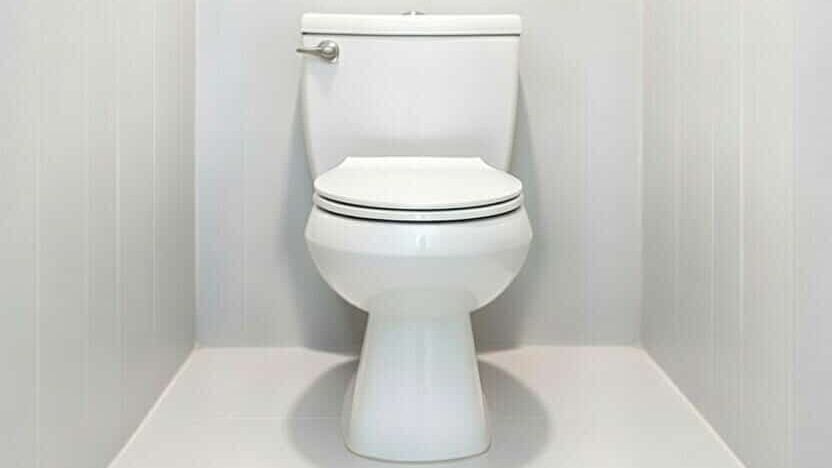
If your toilet has started making a gurgling or regurgitating sound, it’s understandable to wonder what’s going on. This issue is fairly common in Atlanta homes and is usually a sign that something in the plumbing system isn’t moving air or water the way it should. You’re right to check it out, as you may be able to stay ahead of a messy back up by being proactive.
Below, we’ll break down what causes these sounds, what you can safely check at home, when professional help makes sense, and how to reduce the chances of the problem returning.
Understanding Why Your Toilet Gurgles
If your toilet is making a gurgling sound, it could be due to negative air pressure in your plumbing system. This is a common issue in Atlanta’s hot, humid climate, particularly in older homes with cast-iron pipes. When the air pressure inside the pipes is unbalanced, it can cause the water in your toilet to gurgle or bubble. This sound is often a sign that your plumbing system is struggling to maintain proper airflow.
One of the main culprits behind this unpleasant noise is a clogged toilet. Excess toilet paper or non-flushable items can obstruct the pipes, leading to negative air pressure. When the flow of water is restricted, it disrupts the normal air balance, causing the toilet to gurgle. Regular maintenance and mindful flushing habits can help prevent these clogs and the annoying sounds they create.
Another potential cause of the gurgling sound is a blocked vent pipe or stack. These components are essential for allowing air to flow freely through your plumbing system. When a vent pipe is blocked, it can create a vacuum effect, pulling air through the toilet’s water trap and causing the regurgitating sound. Debris, bird nests, or even leaves can obstruct these vents, especially in areas with dense foliage.
If you’re on a septic system, a toilet regurgitating sound could be an early sign it’s time to have your septic tank serviced. Even if you’ve had this maintenance pump completed recently, this sound can be a sign of a bigger underlying problem.
Addressing the root cause of the toilet regurgitating sound can save you from potential plumbing issues down the line. Regular inspections of your plumbing system, especially if you live in an older Atlanta home, can help identify and resolve these problems early. Whether it’s clearing a vent pipe or addressing a blockage, taking proactive steps can ensure your toilet operates quietly and efficiently.
Diagnosing the A Toilet Gurgling Sound
Start by observing whether the gurgling sound affects just one toilet or multiple fixtures in your home. If the noise is confined to a single toilet, it might indicate a clog specific to that unit. However, if you notice the sound in several toilets or even other fixtures, the issue could be more systemic, such as a blockage in the main sewer line or a problem with the vent stack. Identifying the scope of the problem helps narrow down potential causes.
Pay close attention to when the gurgling occurs. If you hear it immediately after flushing, this often points to a partial clog in the toilet itself. Such clogs can restrict water flow, causing the unsettling regurgitating sound. This timing clue is critical in distinguishing between a localized toilet issue and a broader plumbing concern. Addressing a partial clog early can prevent more severe blockages down the line.
Visual inspections can also be revealing. Check your plumbing vents for any visible blockages like leaves or debris. A blocked vent can cause significant pressure imbalances, leading to the gurgling sounds you’re hearing. We do not recommend getting on your roof for this inspection. Instead, access your vents from the inside of your home. If you’re not able to, contact a professional.
Locate the exterior sewer cleanout, typically found outside the home. Opening it up can help determine if there’s a main line obstruction causing the noise. These inspections can offer valuable insights into your plumbing system’s health. If you see water or sewage when you open this clean out, it’s time to call a professional.
It’s also worth noting that not all toilet noises point to the same problem. For example, a toilet that is making a hissing sound is usually dealing with a slow refill issue inside the tank rather than a drainage or airflow problem. Understanding the difference between gurgling and hissing noises can help narrow down what’s actually happening and avoid unnecessary repairs.
Quick Fixes You Can Try at Home
If your toilet produces a regurgitating sound, a flange plunger might help. This tool is specifically designed to create a strong seal in the toilet’s drain, allowing you to effectively dislodge minor clogs. Ensure you have a good grip and apply steady pressure to clear the obstruction. This simple step can often solve the issue without needing professional intervention.
Another approach involves using common household items like baking soda and white vinegar. Pouring half a cup of baking soda followed by a cup of white vinegar into the toilet bowl can help break down organic buildup. This mixture reacts to form bubbles that can dislodge debris and improve water flow. Allow the solution to sit for a few minutes before flushing to maximize its effectiveness.
If you suspect vent issues, inspect for visible debris. A gloved hand or a hose can be used to clear blockages from accessible vent openings. This can restore proper airflow, reducing pressure imbalances that contribute to the regurgitating sound. Keeping these vents clear is crucial for maintaining a healthy plumbing system.
Consider examining the flapper inside the toilet tank. A worn flapper may not close fully, leading to erratic water flow and strange sounds. Replacing the flapper is a straightforward task that can prevent water from continuously leaking into the bowl. This small fix not only addresses the sound issue but also conserves water and reduces utility bills.
When to Call in the Experts
If your toilet keeps making a regurgitating sound despite your DIY efforts, it’s time to call in the experts. Persistent gurgling, especially if it affects multiple fixtures, signals a deeper issue that plunging alone can’t fix. You might be dealing with a blockage in the main sewer line, which requires specialized equipment and expertise to address. Ignoring this can lead to more severe problems down the line.
An emergency call to a professional is crucial if you notice raw sewage overflowing from your drains. This situation poses significant health risks and indicates a severe blockage that needs immediate attention. Professional plumbers have the tools and know-how to safely and effectively clear these blockages, preventing further damage and ensuring your home remains safe and sanitary.
In Atlanta, tree roots are notorious for cracking pipes and causing major plumbing issues. These roots can infiltrate your sewer lines, leading to blockages that a plunger can’t resolve. If left unchecked, these clogs can require sewer spot repairs, resulting in repair costs that can easily exceed $5,000. Calling in a professional can save you from these costly repairs and ensure your plumbing system is protected.
Don’t wait for small issues to escalate into major problems. If your toilet’s regurgitating sound persists or if you notice any signs of a main line clog, professional intervention is necessary. Experienced plumbers can diagnose and fix the problem quickly, preventing further damage and restoring your confidence.
What to Expect from Professional Repairs
When you call in a professional from Aaron Services to address that pesky toilet regurgitating sound, expect a comprehensive approach. A technician will arrive with a fully stocked service van, ready for a range of diagnostics. The first step often involves using a plumbing snake or a camera scope to accurately identify any clogs causing the issue. This precise detection is crucial for effective repairs and ensures that the root of the problem is addressed without unnecessary guesswork.
Once the clog is pinpointed, the repair process begins. Depending on the severity and location of the blockage, the technician might employ hydro-jetting or a mechanical auger to clear the pipes. Hydro-jetting uses high-pressure water jets to dislodge stubborn debris and buildup, while a mechanical auger can physically break through tougher obstructions. These methods are both effective and efficient, ensuring your plumbing system is restored to best function.
The time required for these repairs can vary. For simpler clogs or vent issues, you might expect the job to be completed in 1 to 4 hours. However, if the problem extends to the sewer line, snaking could take between 4 to 8 hours. This thorough process is essential, particularly in areas like Atlanta, where tree roots often invade and damage pipes. Addressing these deeper issues prevents future problems and costly repairs.
Rest assured, the technicians from Aaron Services are experienced and equipped to handle even complex plumbing challenges. By using advanced tools and techniques, they ensure that your home’s plumbing system remains in top condition. This professional approach not only resolves the immediate issue but also helps safeguard against future plumbing headaches.
Preventing Future Plumbing Problems
Preventing a toilet regurgitating sound and other plumbing issues starts with simple, regular maintenance. Ensure you’re only flushing toilet paper and human waste. This reduces the risk of clogs and keeps your toilet running smoothly. Quarterly checks can help catch small problems before they become major headaches. Regular attention to what goes down the toilet can significantly reduce the chances of encountering strange sounds or more severe plumbing issues.
Your plumbing system’s vents also need attention. Cleaning them annually and installing mesh screens can prevent debris from causing blockages. This simple task helps maintain proper air flow, crucial for preventing gurgling noises. Without proper venting, your plumbing system can struggle to function efficiently, leading to those annoying sounds that signal potential issues.
Monthly maintenance should include running hot water down your drains. This practice helps flush out any buildup that could lead to blockages. It’s a straightforward way to keep your pipes clear and avoid the unpleasant surprises of regurgitating sounds. Hot water can dissolve minor clogs before they escalate, making it a simple yet effective preventive measure.
For homes with septic systems, regular pumping every 3-5 years is essential. Avoid overloading your system during heavy rains to prevent backups. These steps can help maintain your system’s integrity and prevent gurgling sounds or worse. Keeping your septic tank well-maintained ensures it functions correctly, reducing the risk of costly plumbing issues.
Frequently Asked Questions
What should I do if the gurgling sound persists after troubleshooting?
If the gurgling sound continues despite your efforts, it may be time to call a professional plumber. They can perform a thorough inspection of your plumbing system to identify and resolve more complex issues that may not be easily visible.
Can using chemical drain cleaners help with the gurgling sound?
While chemical drain cleaners may clear some clogs, they can also damage pipes and worsen plumbing issues over time. It’s generally safer to use natural remedies or consult a plumber for persistent problems.
How can I prevent future gurgling sounds in my toilet?
Regular maintenance, such as checking for blockages in vent pipes and avoiding flushing non-flushable items, can help prevent gurgling sounds. Periodic professional inspections can catch potential issues early.
Sources & References
- Why Toilet Gurgling (Mac5services)
- Why Is My Toilet Bubbling (Ars)
- Why Is My Toilet Bubbling What You Should Do (Jkmechanical)
- Toilet Bubbles When Flushed Air Gurgling And Plumb Causes (Horow)
- Gurgling Toilet Means Repair (Olsonsuperior)
Book Now
Our insights have been featured in